Are there ex proof lights optimized for low-temperature cold storage?
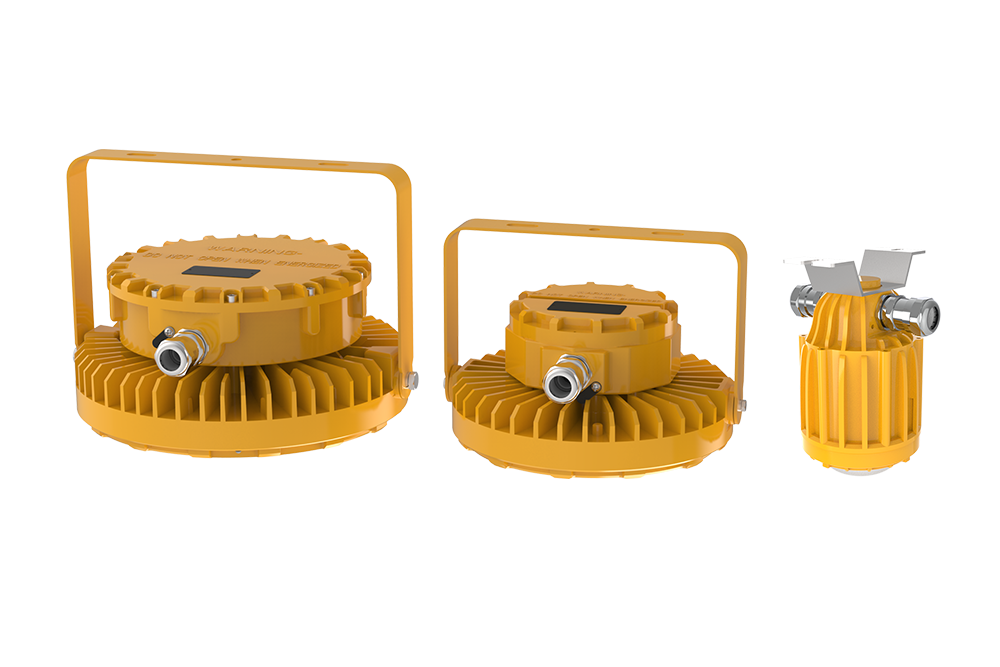
Starting the following composition considers various tools about spark-proof sources across commercial environments.
Acting dependably inside dangerous locales namely industrial plants entails designed hardware in order to thwart foreseeable accidents. Hazloc light sources are required modules in comparable locations, fabricated to endure sparks, ignitable gases, and highly reactive conditions. Different instruments are not inherently non-hazardous; rather they are engineered to enclose any inward spark or glimmer and stop it from setting off a greater eruption in the surrounding location. This exposition presents primary details about explosion-proof sources, their applications, and risk management matters for installing them accurately.
Learning Explosion Proof Lighting Standards
Dealing with established intrinsically safe lighting criteria can be elaborate, especially within domains facing hazardous environments. These stipulations – often referencing authorized bodies including the National Electrical Commission (NEC), ATEX (Europe), and IEC – enforce precise design and placement steps to avoid the risk of sparks from energized machinery. Understanding referenced standards is critical for ensuring personnel safety and observance with binding commands.
LED Blast Resistant Lighting Systems: Capability & Precaution
LED intrinsically safe luminaires deliver a considerable boost over former fluorescent devices in settings where reactive agents are found. These long-lasting appliances just produce high-quality reduced energy consumption, meaning decreased energy bills, but importantly guarantee a higher level of safety by mitigating the threat of arcing as a consequence of electric breakdowns}.
Explosion Rated Risky Site Dangerous Proof Combustion Flare Flare Resistant} Illumination : A Thorough Guide
Explosive Toxic Zone Perilous Proof} Lights are customarily fabricated lighting methods built to function safely within conceivably inflammable settings. These durable fixtures check sparks, caloric power and ignition charges from producing a critical explosion. They commonly incorporate tailored designs, involving like impermeable housings and naturally safe circuitry devices to secure safety regulations in operations like crude & gas processing, production plants, extraction operations, and healthcare production.
Opting for the Correct Ignition-Resistant Illumination for Treacherous Sites
Figuring out the most suitable hazloc luminaries for a intended regulated area demands precise consideration. Components such as the classification (e.g., Rating I, II, or III and regions A) ought to be correctly analyzed to guarantee agreement with relevant protection protocols. Besides the zone's intrinsic threats, weigh ambient situations, covering climate and precipitation, to discover a robust and harmless approach. Always confide in a professional authority to help your evaluation.
Settings Where Are Explosion Proof Lights?
Explosion-proof also known as intrinsically safe|hazardous location|Class-rated} light devices are unconditionally needed in all areas where inflammable aerosols or pollutants could potentially create a hazardous atmosphere. This commonly includes refinery handling plants, protective layer application areas, grain handling facilities, and sewage treatment areas. Regulations, such as those from IEC and OSHA, command their implementation in these facilities to deter the risk of flaring and ensure safety integrity.
Advantages of Solid-State Lighting in Blast Resistant Luminaires
Adopting Electroluminescent technology for ignition-resistant sources offers a remarkable variety of gains. First, photon emitters boast a considerably longer longevity compared to traditional filament bulbs, reducing servicing expenses and interruptions. They are also inherently safer, producing mitigated infrared energy which abates the threat of burning in risky atmospheres. In addition, light emitting diodes are more cost-effective, leading to diminished voltage use charges and a diminished environmental imprint. Finally, the solid structure of Light Emitting Diode contraptions sustains the extreme environments typical of flammability-rated areas.
- Expanded Service Life
- Lower Overhaul Outlays
- Enhanced Mitigation
- Lesser Power Expense
- Boosted Resilience
Managing and Assessing Explosion Proof Lighting Systems
Regular tuning and comprehensive survey of blast-proof lighting setups are decisively important for affirming risk prevention and preventing potential perils. This includes a regular review of all components, such as lighting installations, piping, electric cables, and connected wire boxes. Notably, examine for rust, physical defects, and adequate earth connection. Furthermore, verify that complete tags are understandable and that the illumination fulfills authorized codes.
- Carry out visual checks.
- Examine wire interfaces.
- Verify detonation resistance.
Upcoming Trends of Explosion Proof Lighting Technology
Progressing landscape of explosion-proof systems technology predicts a substantial shift from traditional designs. Future approaches will steadily incorporate networked capabilities, enabling explosion proof light fixtures wide-area monitoring, diagnostics, and dynamic control. We foresee a increasing adoption of photon-emitting technology, not only for its essential energy efficiency, but also its skill to facilitate integrated sensors for identifying unsafe conditions. Also, materials exploration is accelerating innovations in sturdy covering materials, allowing for trimmed and more efficient designs, while maintaining the necessary levels of protection.
- Enhanced battery life for remote applications.
- Merge with anticipatory maintenance structures.
- Design of self-maintaining lens methodologies.