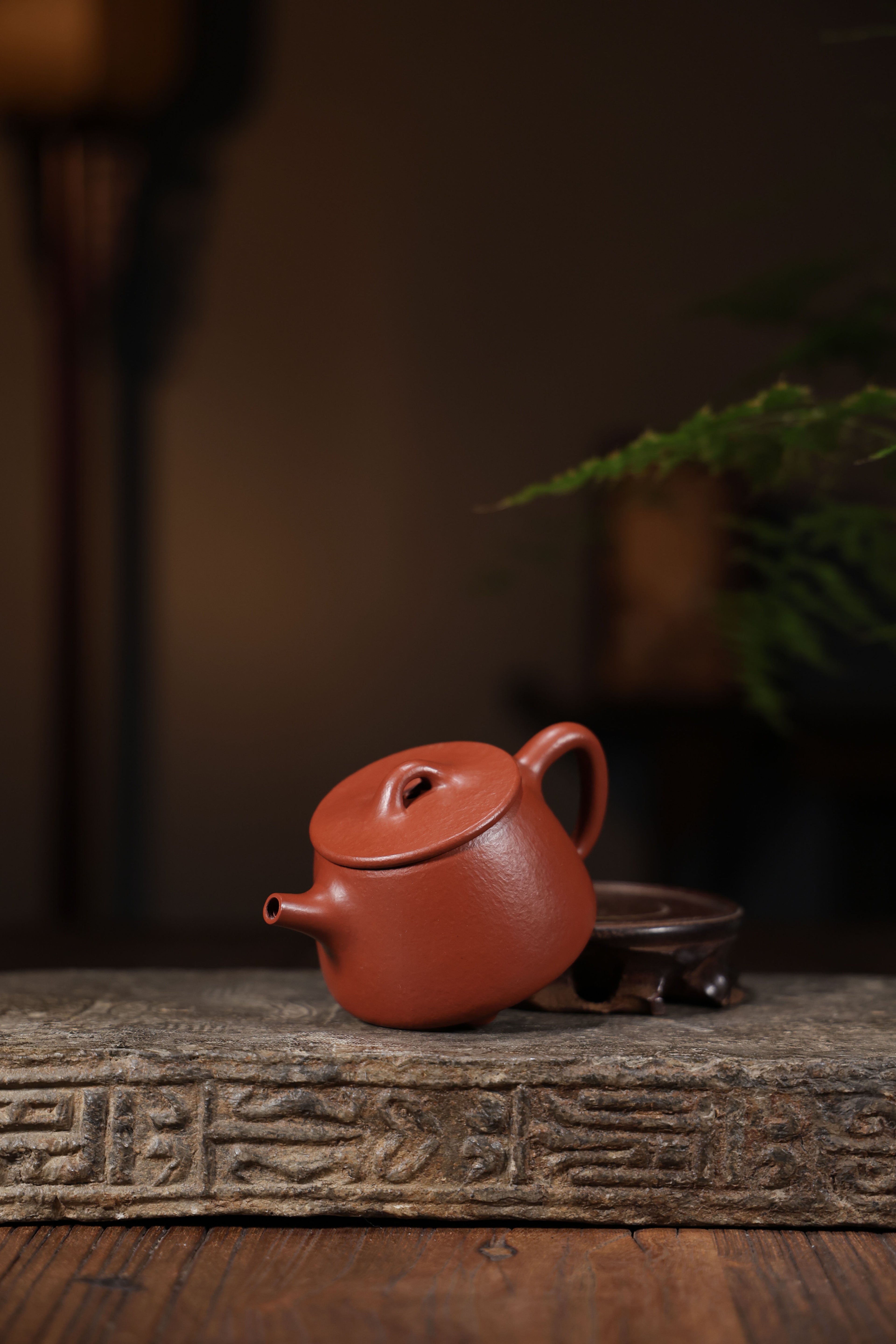
Can a culturally rooted Chinese Teapot message resonate globally?
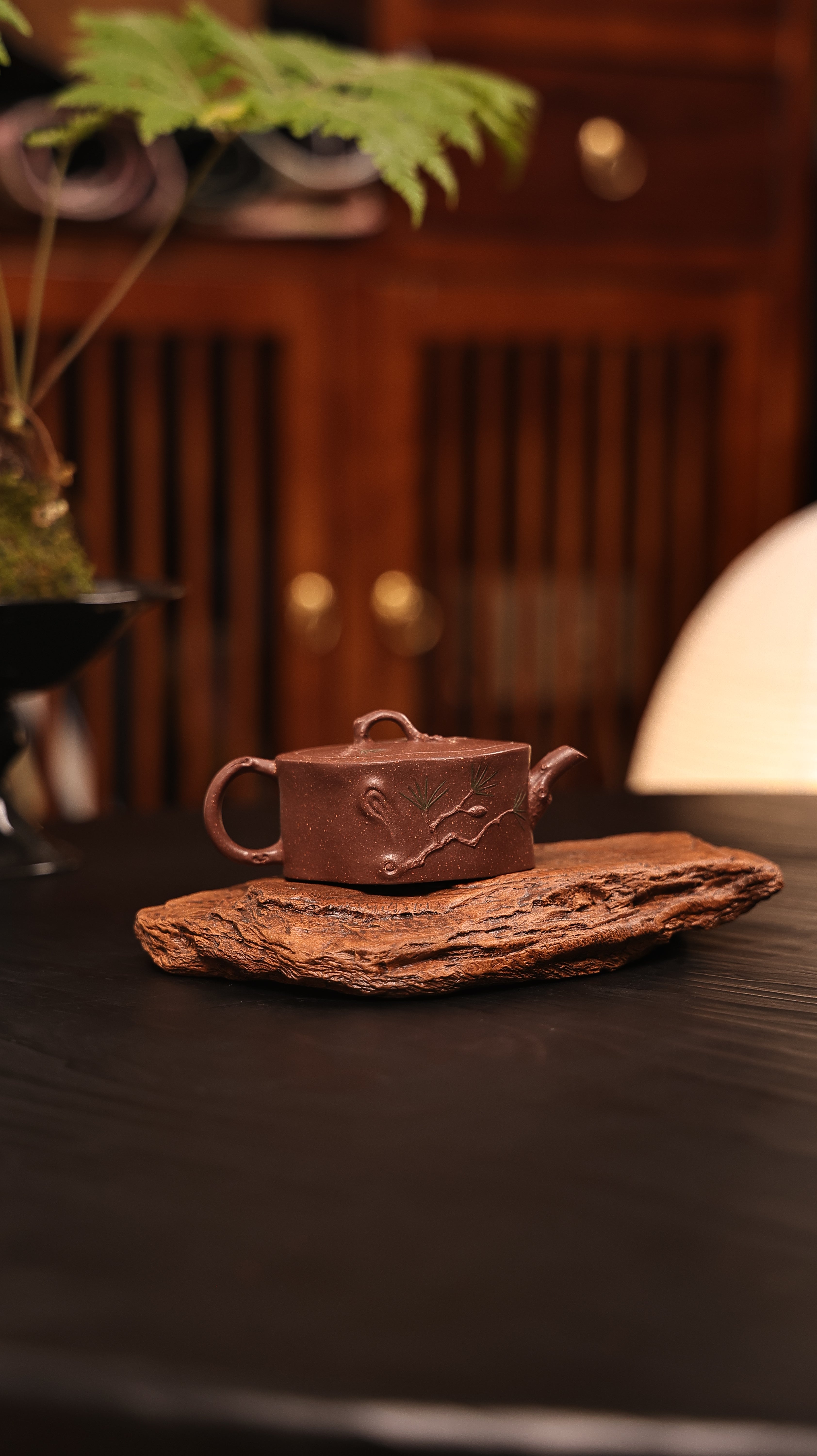
Throughout countless generational spans,
Amidst eras, gatherers have been captivated by the exceptional charm of Yixing Zisha urns. Originating from the zone of Yixing in the Jiangsu Province, these artifacts are renowned for their distinguished beauty, exclusive clay, and built-in ability to refine the note of tea. The soil's distinctive purple-brown hue, combined with the artistic craftsmanship of local makers, creates items that are as functional artwork and precious assets. Owning a Zisha teapot is more than just the purchase; it's embracing a rich cultural heritage.
Understanding Yixing Teapots: Saga, Classifications, and Cost
Celebrated Yixing teapots manifest a extensive heritage deeply intertwined with Chinese culture. Emerging in the Yixing region of Jiangsu province, these clay vessels boast a heritage extending back to the Ming Dynasty. Early examples were functional, but throughout centuries, Yixing teapot forging evolved into an esteemed art form. The clay itself, known for its unique composition and ability to augment the flavor of the tea, stays a defining factor. Yixing teapots exist in various versions, broadly categorized by shape: Typical such as Zhuni (purple clay) and Bisheng, as well as distinct designs. The price of a Yixing teapot is on several factors, including the potter’s acclaim, the age of the piece, the rarity of the clay, and its aesthetic beauty.- Heritage: Early periods
- Clay: Assorted selections
- Cost Determinants: Scarcity
Zisha Pot Expertise: Practice and Potters
Unique construction of a genuine Zisha teapot is a sophisticated process, requiring periods of experience. Seasoned artisans meticulously source the finest Zisha clay, a exclusive earth found only in specific regions of China. Time-honored techniques, often bequeathed through families, involve meticulous shaping, subtle carving, and slow firing in ancient calcining chambers. The end teapot isn't merely a pot; it's a testament to design vision and the meaningful connection between the sculptor and their ancestry. Each piece showcases the distinctive touch of the maker, resulting in a truly matchless work of art.
Historical Pottery: Delving into the Deep Practices of the Yixing Region
Historic Yixing, located in Jiangsu the district, is commonly renowned for its exceptional vessels – a tangible representation of centuries of Chinese artisanry. These aren't merely vessels for preparing tea; they are intricate works of innovation, often reflecting conceptual ideals. Yixing's unique purple clay, known as Zisha, possesses notable qualities: it dense, open to air, and imparts a subtle quality Purple Clay Teapot to the tea.
- Many clans have honed the techniques of Yixing urn making, passing down exclusive methods through families.
- Devotees prize these pieces for their charm and scarcity.
- Several jar tells a anecdote, connecting the user to a rich heritage.
Exploring Yixing Zisha: What to Look For
As evaluating collecting Yixing Zisha earthenware, several elements require careful consideration. Primarily, the component's complexion is significant; authentic Zisha usually exhibits a unique earthy tinge. Additionally, consider the handiwork; clear characteristics and a silky layer show competent construction. Finally, investigate the potter's background; esteemed names bring increased premiums and often guarantee a stable return.
Zisha Teapot Tea Brewing Mastery
Producing palatable tea with a Zisha pitcher is more over a simple practice; it's an specialty. Zisha clay, distinguished for its unique elemental composition, imparts a nuanced character to the brewed tea that’s often lacking with other devices. The appropriate water climate is necessary; typically, softer than what's used for black tea, to retain the tea's aroma and zest. Consider conscientiously the tea kind; delicate green teas or aged pu-erhs excel from the Zisha’s ability to smooth their natural edge. It’s pivotal to prepare the teapot in advance of brewing, and to prevent over-steeping. Mastering this art leads to a rightfully exceptional tea event.
- Grasping Zisha Clay
- Liquid Heat & Tea Classification
- Benefit of Warming
Looking After Your This Teapot
To ensure secure the longevity of your esteemed Yixing kettle, regular management is truly key. Abstain from using detergent; instead, tenderly flush it with warm aqueous substance. Steer clear of unexpected changes; refrain lay the urn directly onto a searing area. Periodically, enrich the vessel by filtering it with excellent specialty beverage, as this promotes to build its profile and preserves the special charm of the element.
Concerning Substance to Vessel: The Course of a Zisha Container
A creation of a Zisha teapot is a intriguing system, a demonstration to both the planet's bounty and the skill of the creator. It opens with the meticulous extraction of the exclusive clay from the crimson Zisha mines close to Yixing. This virgin material, known for its exquisite features, is then methodically clarified and ready for the preliminary forming. The bottle’s design is masterfully assembled using a mix of classical sculpting practices, often incorporating complex motifs. Following aging, the vessel undergoes a essential first firing, accompanied by a dressing stage, which might involve diverse layers of natural Zisha coatings. Finally, a second, and sometimes third, firing at elevated temperatures finishes the manufacture, revealing its resolved beauty and exceptional characteristics - a genuine masterpiece, prepared to adorn a tea practice.
{Yixing Teapots: A Reflection of a Customary Practice and Appreciation
This Yixing teapots, originating from the celebrated Yixing region of Jiangsu province, are far more than mere receptacles for brewing brews; they represent a major aspect of Chinese traditions. Constructed from distinctive purple clay – zisha – these uncommon teapots are highly esteemed for their ability to refine the flavor of the tea and, crucially, for their elegance. The chronicle of Yixing teapot making spans centuries, and the technique involved is entrusted through generations, making each teapot a cultural artifact that embodies lasting techniques and a profound appreciation for the pure pleasures in life.