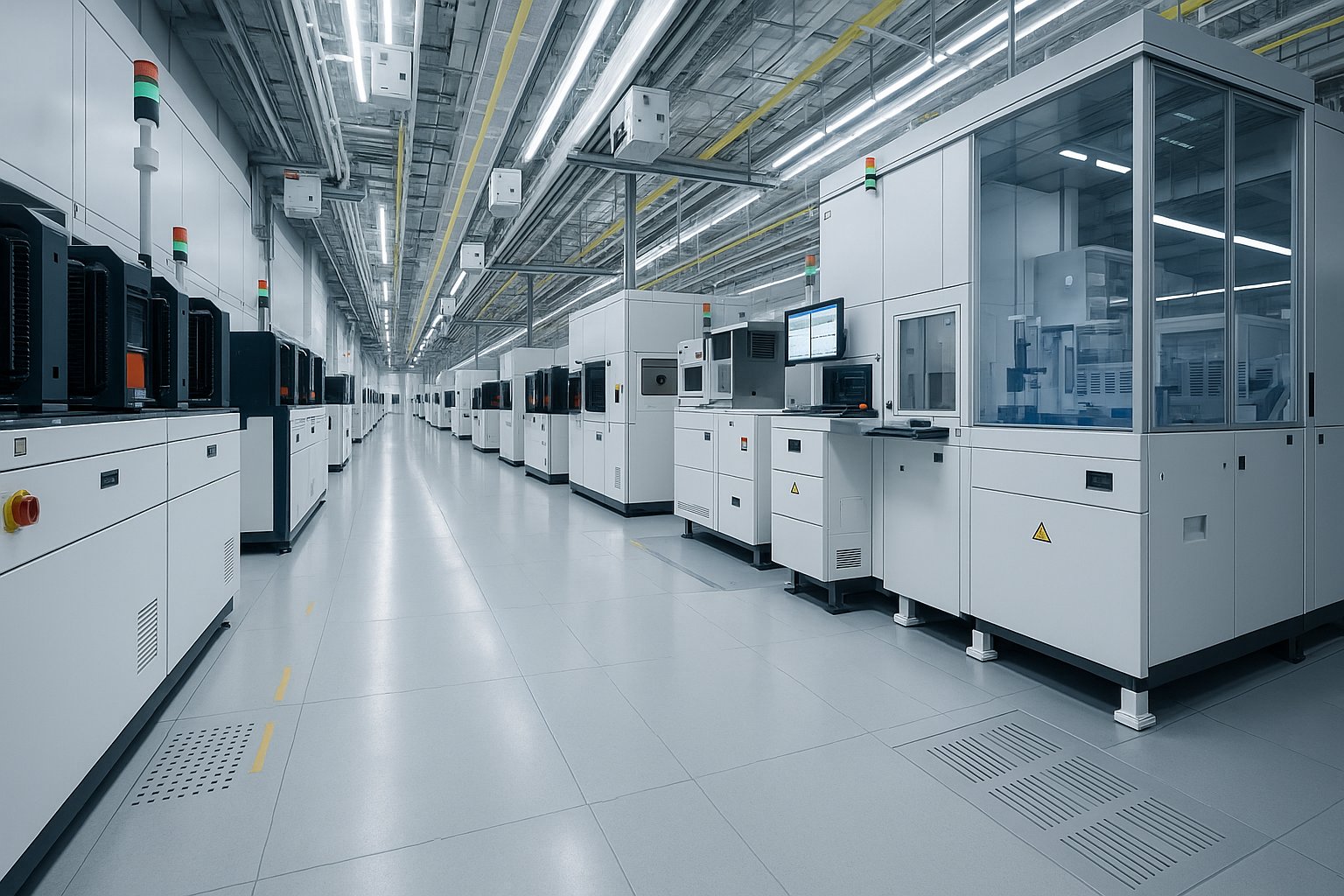
cutting edge high reliability reactive ion etcher programs?
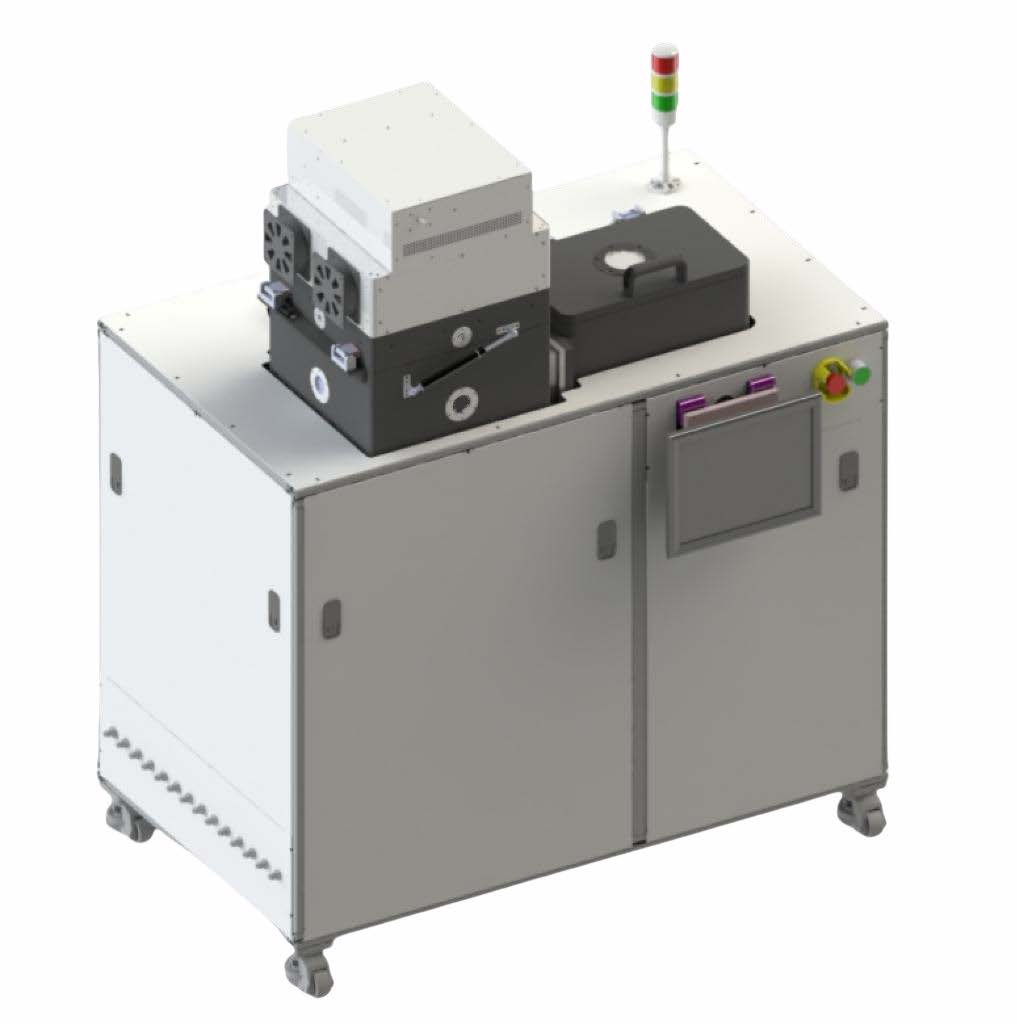
Core Concepts of plasma treatment amidst device creation. This practice exploits plasma medium to deliberately etch away surface coatings for exact layout creation during microscale production. By tuning core determinants like gas blends, power output, and pressure force, the rate of etching, etch precision, and pattern fidelity can be accurately regulated. Energetic ion etching has transformed advanced electronics production, monitors, and latest computing tools.
- Also, plasma etching is broadly considered for disciplines like photonics, biological studies, and substance study.
- Diverse styles of plasma etching are applied, including charged ion etching and magnetically coupled plasma etching, each with singular positive aspects and shortcomings.
The detailed characteristics of plasma etching implore a thorough grasp of the primary physical frameworks and chemical interactions. This review seeks to offer a elaborate explanation of plasma etching, incorporating its essential facts, multiplex classifications, deployments, merits, challenges, and future directions.
High-Precision Riechert Equipment
On the subject of precision engineering, Riechert etchers stand out as a foremost tool. These innovative devices are acclaimed for their remarkable fineness, enabling the manufacturing of delicate structures at the tiny size. By employing advanced etching methods, Riechert etchers maintain faultless control of the manufacturing sequence, generating premium outcomes.
Riechert technology serves a wide assortment of sectors, such as circuitry. From fabricating microchips to designing innovative medical gadgets, these etchers are indispensable in forming the prospects of tech tools . With pursuit to superiority, Riechert frames benchmarks for exact microfabrication.
Foundations and Roles of RIE
Reactive plasma ion etching continues as a key way in electronics production. RIE incorporates a combination of charged species and reactive gases to etch materials with fine control. This action entails bombarding the workpiece layer with active charged particles, which bond with the material to develop volatile etch byproducts that are then cleared by a pressure installation.
RIE’s capacity for differential etching makes it highly effective for producing complex patterns in miniature devices. Utilizations of RIE involve the production of microchip switches, silicon dies, and photonic modules. The technique can also construct microscopic grooves and interconnects for miniature memories.
- RIE approaches provide detailed governance over surface processing rates and material discrimination, enabling the creation of advanced details at tight accuracy.
- Many active gases can be employed in RIE depending on the base material and essential etch profiles.
- The uniformly directed quality of RIE etching makes possible the creation of straight profiles, which is critical for certain device architectures.
Refining Selectivity in ICP Etching
Inductively coupled plasma (ICP) etching has arisen as a key technique for developing microelectronic devices, due to its first-rate capacity to achieve maximum anisotropic effects and material selectivity. The meticulous regulation of operational factors, including plasma power, plasma gas composition, and work environment pressure, enables the precise adjustment of etching velocities and device contours. This pliability facilitates the creation of intricate layouts with low harm to nearby substances. By modifying these factors, ICP etching can significantly mitigate undercutting, a recurrent complication in anisotropic etching methods.
Review of Plasma Etching Strategies
Charged plasma-based removal processes are commonly utilized in the semiconductor realm for building delicate patterns on manufacturing substrates. This study assesses diverse plasma etching methods, including ion beam etching, to appraise their effectiveness for several substances and requirements. The assessment underscores critical variables like etch rate, selectivity, and material texture to provide a comprehensive understanding of the assets and drawbacks of each method.
Fine-Tuning Process Settings to Boost Etching Speed
Gaining optimal etching speeds in plasma operations requires careful factor refining. Elements such as energy input, reactant proportioning, and pressure condition materially govern the surface modification rate. By precisely adjusting these settings, it becomes realistic to enhance result robustness.
Understanding Chemical Mechanisms in RIE
Energetic ion chemical etching is a primary process in micro-device manufacturing, which concerns the exploitation of charged ions to selectively etch materials. The primary principle behind RIE is the interaction between these energized particles and the component face. This interplay triggers molecular processes that disintegrate and carry away subunits from the material, giving a desired design. Typically, the process utilizes a concoction of charged molecules, such as chlorine or fluorine, which get activated within the plasma environment. These charged species strike the material surface, starting the patination reactions.Impact of RIE is determined by various variables, including the category of material being etched, the utilization of gas chemistries, and the performance variables of the etching apparatus. Targeted control over these elements is fundamental for maintaining outstanding etch structures and containing damage to adjacent structures.
Managing Spatial Etch Patterns in ICP
Obtaining accurate and reproducible configurations is necessary for the excellence of countless microfabrication practices. In inductively coupled plasma (ICP) treatment systems, regulation of the etch form is key in defining ranges and patterns of sections being produced. Critical parameters that can be adjusted to control the etch profile cover reactive gas mix, plasma power, surface temperature, and the mask layout. By carefully controlling these, etchers can manufacture contours that range from uniform to precisely oriented, dictated by fixed application expectations.
For instance, highly directional etching is customarily looked for to create profound cavities or vias with strongly delineated sidewalls. This is realized by utilizing high halogen gas concentrations within plasma and sustaining minimal substrate temperatures. Conversely, balanced etching manufactures smooth profiles owing to the regular three-dimensional character. This model can be useful for broad substrate processing or texturing.
Moreover, progressive etch profile techniques such as deep reactive ion enable the development of exceedingly detailed and lengthy, constrained features. These means often entail alternating between action rounds, using a mixture of gases and plasma conditions to secure the desired profile.
Identifying the factors that control etch profile configuration in ICP etchers is vital for upgrading microfabrication processes and executing the intended device efficiency.
Plasma Etching Techniques in Semiconductor Fabrication
Plasma-assisted removal is a primary technique utilized in semiconductor creation to accurately ablate substances from a wafer surface. This method implements charged plasma, a bath of ionized gas particles, to etch selected patches of the wafer based on their material configuration. Plasma etching offers several improvements over other etching ways, including high anisotropy, which enables creating tight trenches and vias with contained sidewall corruption. This precision is essential for fabricating elaborate semiconductor devices with composite designs.
Uses of plasma etching in semiconductor manufacturing are various. It is deployed to develop transistors, capacitors, resistors, and other key components that construct the foundation of integrated circuits. Furthermore, plasma etching plays a key role in lithography operations, where it makes possible the meticulous organization of semiconductor material to form circuit arrangements. The high level of control offered by plasma etching makes it an essential tool for state-of-the-art semiconductor fabrication.
Upcoming Trends in Plasma Processing
Cutting-edge plasma etching consistently advances, driven by the amplified pressure on icp rie etching improved {accuracy|precision|performance