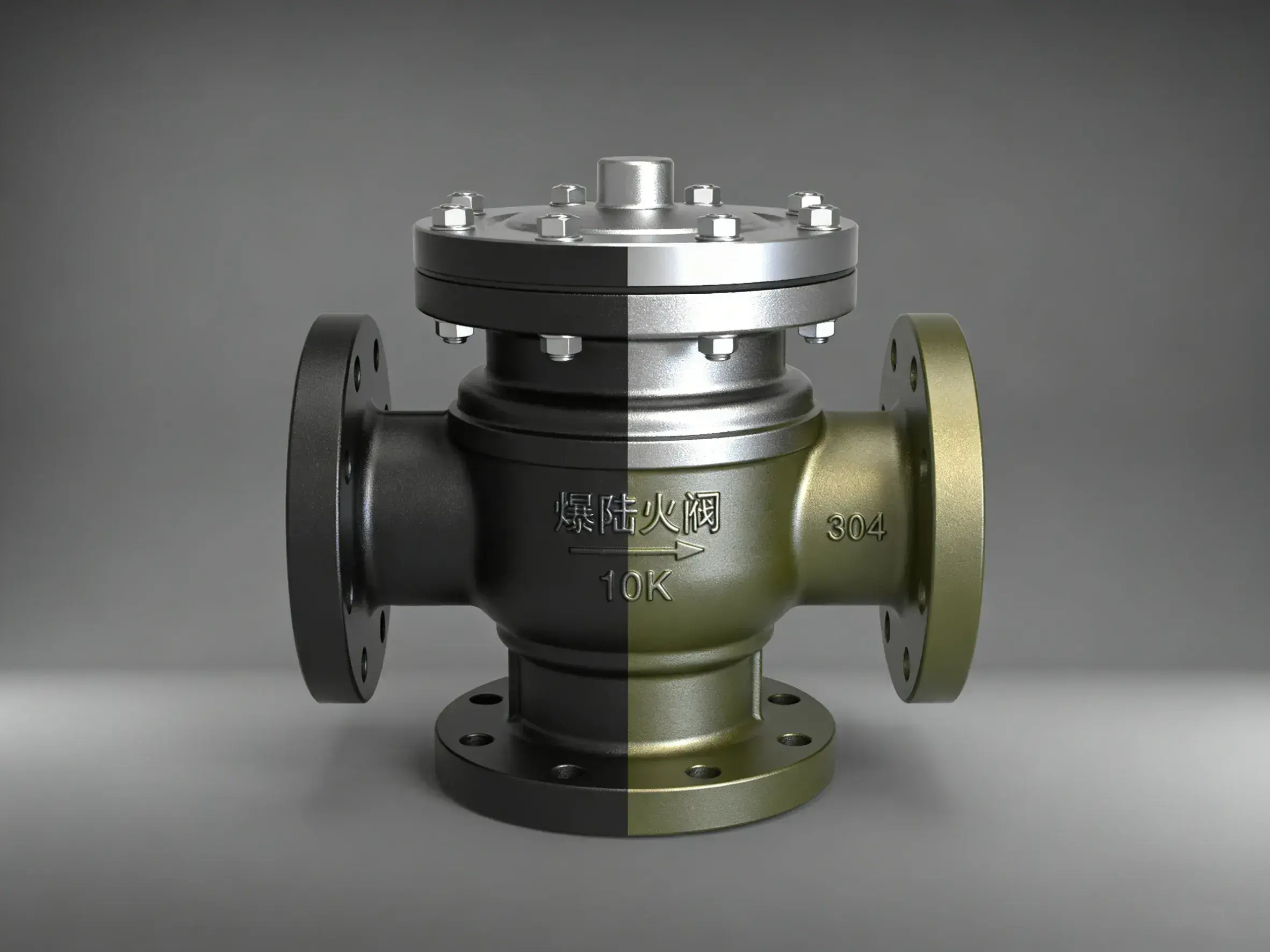
growth focused refined globe pattern control valves sets?
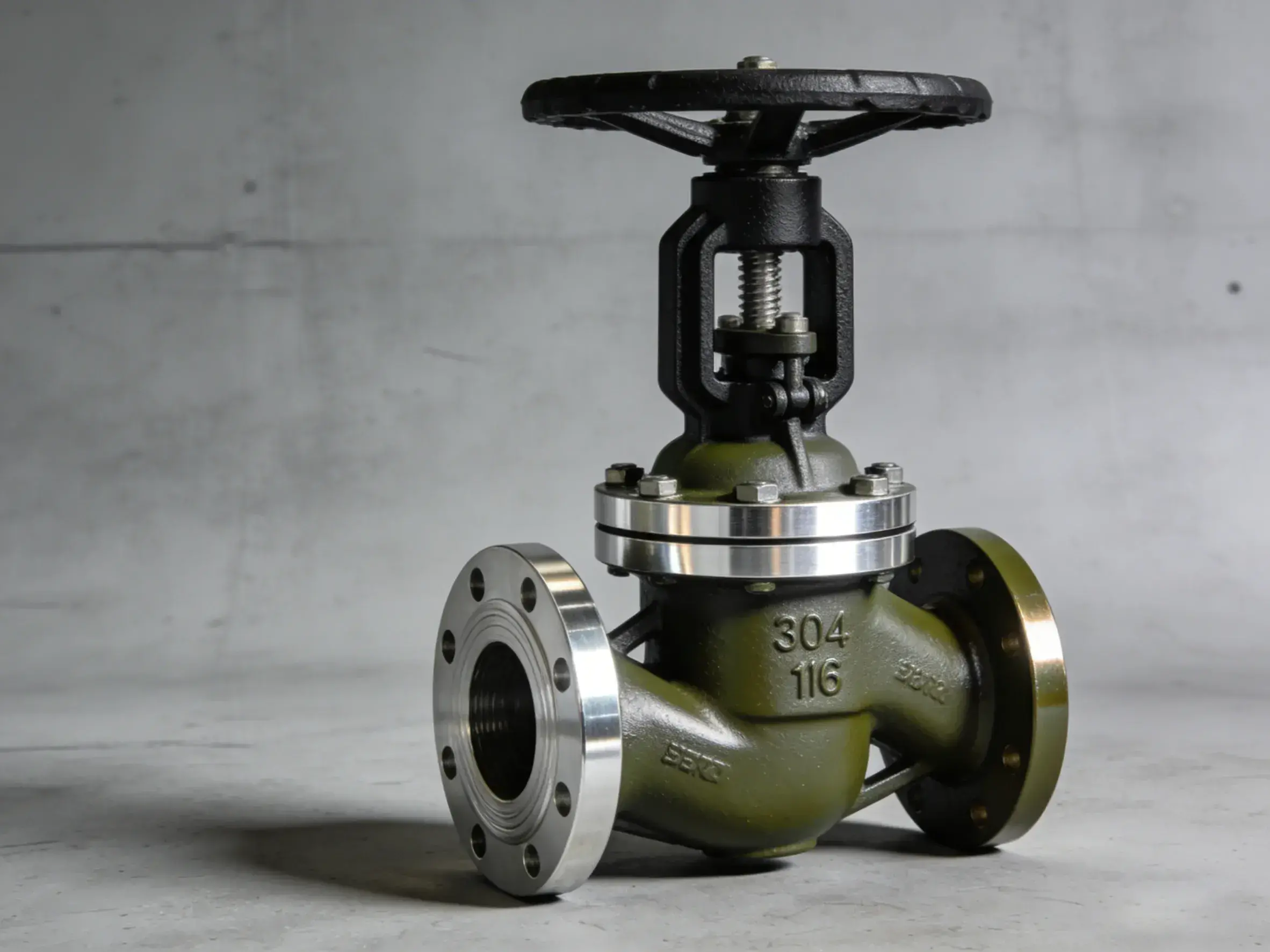
Key choosing industrial valves advances process throughput with total system reliability. To achieve best functioning, it is vital to thoroughly pick valves that suit application conditions.
A thorough valve selection directory ought to regard a series of considerations incorporating type of fluid, operational stress, temperature degree, flow momentum, and modulation essentials. On top, pinpointing the suitable valve trigger system including pneumatic, hydraulic, or electric is vital.
Detailed Evaluation of Butterfly Valve Operation
Assessing the best functionality standards for butterfly valves is essential for engineers targeting robust and efficient system management. This analysis delves into the critical factors influencing butterfly valve performance, encompassing material properties, operating conditions, and performance testing methodologies. Through complete inspection of those points, this paper aims at providing thorough knowledge of determinants fostering butterfly valve working.
- Blueprint aspects markedly shape aggregate operation
- Fabrication materials of valve housing markedly govern robustness during assorted functioning circumstances
- Fluid pressure loss stands as significant parameter for estimating butterfly valve productivity, mainly at boosted throughput levels
Function of Ball Valves under High Load Conditions
Ball valves appear as solid picks for directing heightened pressure duties. Their intuitive mechanism employs a circular orb with a passage that turns to adjust fluid currents. This design efficiently manages elevated pressure circumstances due to its robust closure.
Across industries such as fossil fuel, ball valves assume an indispensable position in administering high-pressure lines. Their resilience appoints them capable of braving the effect of heightened pressure matter.
- Besides, ball valves deliver swift movement, granting effective fluid regulation.
- Available in a variety of materials and sizes, ball valves can be customized to meet the specific needs of different high-pressure applications.
Knowing Diverse Valve Kinds and Their Features
Throughout fluid mechanics, valves undertake a key role administering fluid and gas streams. Opting for the right valve category is critical for achieving optimal operation. Valves get sorted by their action mechanism, structure, and practical deployment. Standard valves consist of gate, globe, check, ball, and butterfly assortments. Each form shows singular qualities, matching them to custom applications. Particularly, gate valves adjust flux completely, and globe valves supply refined steering of rate. Check valves prevent backflow, ensuring one-way passage. Ball valves provide fast and dependable open-close control, whereas butterfly valves excel in high throughput scenarios.
Optimizing Flow Control with Industrial Valves
Handling movement of fluids and gases is significant in numerous operational domains. Industrial valve apparatuses maintain primary responsibilities guiding the flow of fluids and vapors across facilities. Engaging apt valve variants united with smart regulation policies facilitates corporations enhancing process functionality, hazard prevention, and product excellence.
A crucial component in advancing fluid governance entails comprehension of different valve purposes. Diverse valve blueprints adjust to tailored flow peculiarities, pressure magnitudes, and application contexts. For example, globe valves tend to be utilized for flow regulation, whereas ball valves prove outstanding in stop-start functions.
Attaining definitive flow control involves scrutiny of variables such as valve dimensions, actuation technologies, and supervisory structures. Adopting sophisticated regulation techniques such as programmable logic control supports mechanized flow tracking and tuning, optimizing throughput.
Systematic servicing of plant valves is required for preventing shortcomings and upholding reliable flow operation. Detecting prospective problems promptly can reduce expensive stoppages and guarantee uninterrupted functioning of vital procedures.
Upkeep Guidelines for Manufacturing Valves
Periodic care of operational valves is necessary to guarantee continual and robust activity in production environments. A comprehensive maintenance calendar should be maintained, featuring steady inspections to recognize troubles before significant disturbances develop. Smearing oils on valve components conforming to fabricator details markedly lengthens service duration and curbs wear. In addition, sustaining valves in a clean state by eliminating detritus fosters smooth operations.
A full restoration plan should involve meticulous tracking of valve service activities, including times, employees, and parts swapped. Precise archival promotes surveillance of valve performance long-term and enhances calculated resolutions for future care.
Automation's Impact on Valve Functioning
The spread of automation has influenced valve control methodologies broadly. Adopting automated mechanisms permits improved valve supervision, cutting down on manual operations and enhancing workflow effectiveness. Automatic valve control provides numerous advantages such as improved precision, lowered stoppages, and enhanced security
- Control instruments represent critical roles in auto-regulated valve frameworks, rendering prompt knowledge on valve setting. Control software processes feedback to automatically govern valve parameters
- SCADA platforms are regularly utilized to coordinate automated valve functions, supporting complex management algorithms. The technologies observe valve actions, spot irregularities, and carry out reparative interventions
What's more, program-controlled valve operations promote improved flow tracking. By collecting data on valve performance, operators can gain valuable insights to optimize process efficiency and reduce operational costs
Primary Safety Requirements for Industrial Valve Assembly
Upon placing industrial valves on premises, stern safety rules must be enforced. Neglecting these precautions can lead to severe accidents, potentially resulting in property damage and even personal injuries. A thorough risk assessment should be conducted prior to installation to identify potential hazards and implement suitable control measures.
Ensure that all personnel involved in the installation process are adequately trained and certified in handling industrial valves and adhering safety guidelines. Formulate a continuous series of audits targeted at finding operational faults or deterioration within valves. Retain complete paperwork covering all installation, evaluation, and servicing efforts to support long-term management
- Comply relevant industry standards and regulations governing valve installation and operation
- Deploy proper gear and hardware intended for production valve placement
- Communicate effectively with all stakeholders involved in the project to ensure a safe and efficient installation process
Valves: Indispensable Units for Industrial Processes
Across the sophisticated segment of fabrication/processing/manufacturing frameworks, valves become fundamental pieces. They function to control fluid movement through intricate networks, maintaining effective operation and security. Valves get deployed throughout extensive tasks, encompassing supervision of temperature levels and pressures along with product conveyance
- Different valve categories arise, each devised to handle specific duties. Regular examples comprise gate, ball, and globe selections
- Opting for valves accounts for factors like throughput rate, pressure magnitude, heat level, and substance category
- Reliable valve performance is paramount in process settings to prevent disruptions and ensure product quality
Regular inspection of valves is essential for optimizing their lifespan and preventing potential failures
Modern Substances in Valve Fabrication and Engineering
The improvement in valve engineering and fabrication tightly connects to steady incorporation of leading-edge elements. These modern compositions grant several refined attributes over traditional picks, facilitating makers to assemble more powerful valves. Characteristic instances involve tough ceramics selected for firmness under strict circumstances, along with light metallic materials maximizing productivity while limiting weight. The application of state-of-the-art materials results in valves presenting upgraded sealing quality, extended lifespan, and improved corrosion tolerance
Valve Control Systems: A Comparative Appraisal
{This investigation delves into the diverse valve actuation mechanisms prevalent in modern engineering applications|This exploration examines the varied valve drive technologies common in contemporary engineering uses|The study analyzes the mixed valve triggering systems typical in current engineering projects|This research Butterfly Valves evaluates the assorted valve motion methods widespread in advanced engineering scenarios|The survey inspects the multiple valve control techniques existing in up-to-date engineering solutions|This review considers the assorted valve operating mechanisms encountered in present-day engineering environments|This analysis explores the various valve activation systems found in progressive engineering implementations|The inquiry scrutinizes the heterogeneous valve act