How does therapy global developmental delay brisbane support siblings and family dynamics?
Commencing the thorough analysis related to backing children diagnosed with autism spectrum encompasses a blend of clinical techniques.
Speech and language services works on improving oral proficiency, managing challenges like utterance clarity and understanding of language. Concurrently, functional therapy can be beneficial; it handles sensory processing difficulties and motor planning hurdles that may be interfering with interaction capabilities. This comprehensive plan enables better participation and overall verbal improvement for those within the neurodiverse community.
Autistic Spectrum Therapy:Aid: AUnified Plan withCommunication and Sensory-Motor Therapy
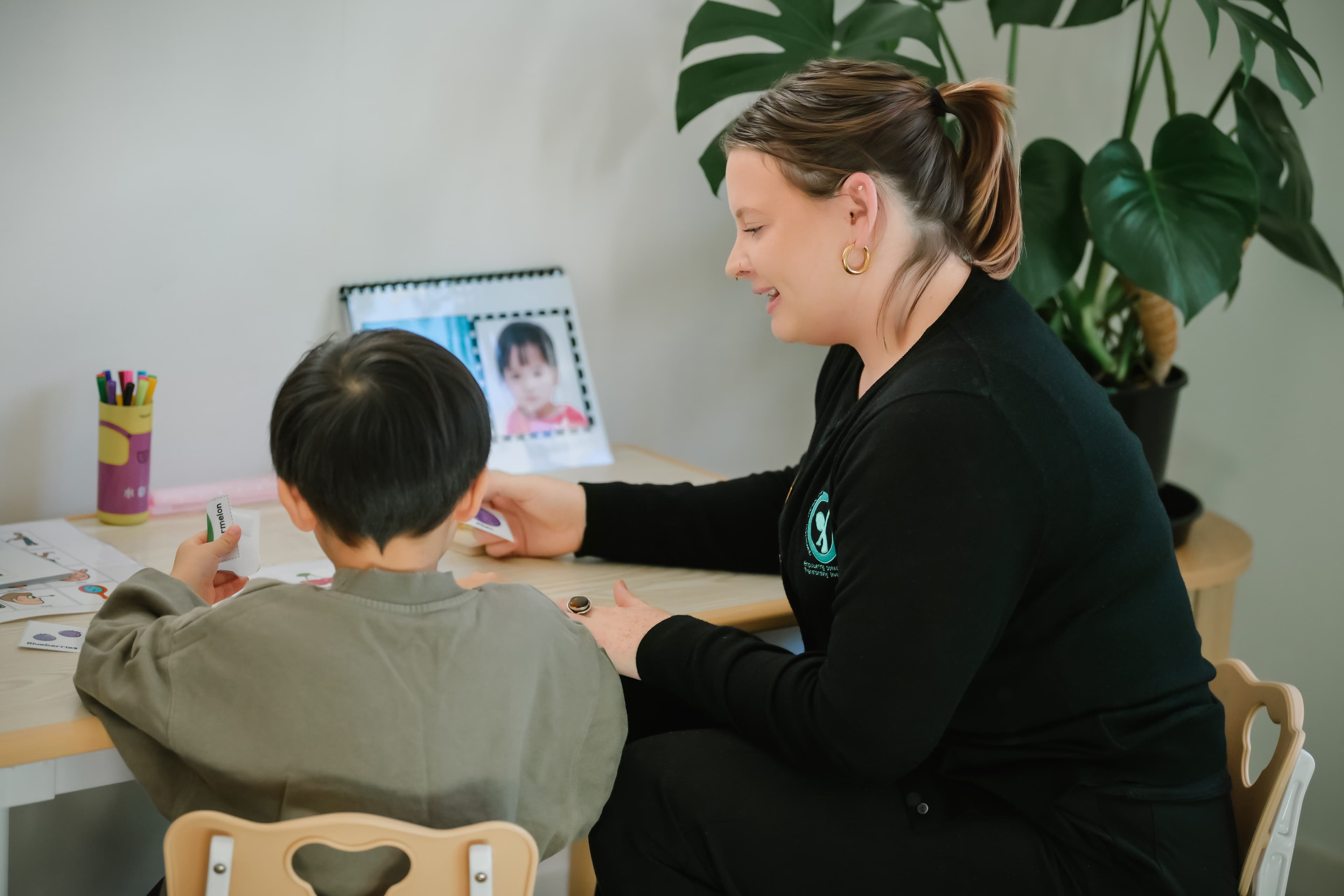
For subjects having autistic features, a multifactorial support model typically provides the most significant returns. Fusing speech therapy with occupational therapy furnishes a potent synergy that targets multiple developmental areas. Speech therapy works on refining expressive capabilities, which can constitute everything from basic verbal speech output to social conversations. Simultaneously, occupational therapy concentrates on sensory processing challenges, fine motor skills, and daily living abilities – fostering independence and minimizing frustration in everyday tasks. This dual-pronged strategy can yield significant improvements in a youngster’s overall growth, helping them reach their full prospects.
Unleashing Potential: How Spoken and Functional Therapy Benefit Youth with Neurodiversity
For kids confronting the difficulties of autism, language development services and functional therapy offer transformative gain. Expressive skills development can help with cultivating crucial communication abilities, including verbal expression, comprehension, and social interaction. Simultaneously, Sensory-Motor Services addresses sensory processing issues, fine motor coordination, and adaptive living talents, allowing youngsters to engage more fully in daily routines and activities. This combined approach aims to achieve their individual potential and fosters a greater sense of independence and well-being, empowering them to thrive.
Exploring ASD Diagnosis: An Essential Contribution of Language and Task-Based Specialists
Supporting individuals diagnosed with autism depends on a unique program. Oral communication therapists play a significant responsibility in helping with communication barriers, which can feature delays in speech production, difficulties understanding speech, and challenges affecting social interchange. Likewise, Occupational experts enhance developing essential life abilities and promoting sensory management. They empower individuals to participate actively in daily actions, fostering self-direction and broad happiness. Together, these experts offer a extensive model for boosting outcomes.
Linguistic Management, OT, and Neurodivergent Profile – Building Crucial Daily Living Competencies
For children exhibiting signs of Autism Spectrum Disorder (ASD), a combined approach to treatment often demonstrates incredibly beneficial. Speech-Language Pathologists (SLPs) target improving oral language, nonverbal expression, and social skills—all critical for effective relationships and academic success. Occupational Therapy (OT) then focuses on the development of fine motor skills, sensory processing abilities, and adaptive skills, enabling children to participate more fully in learning environments. This holistic approach empowers individuals with ASD to gain independence, improve self-regulation, and build the foundational capacities needed for a fulfilling life. Consider these key areas often targeted:
- Boosting expressive and receptive communication
- Developing social understanding
- Addressing sensory challenges
- Fostering fine motor control for tasks like writing and dressing
- Building self-care abilities in areas such as feeding and hygiene.
Refining Management: Targeted Language and Daily Living Assistance for ASD Diagnosed
Providing effective aid for autistic individuals often calls for a deeply custom-built approach. Rather than relying on a one-size-fits-all program, skilled communication therapists and occupational professionals now routinely offer personalized services. This involves careful analysis of each person’s strengths, challenges, and choices – from communication styles to sensory sensitivities. Such a intentional methodology can boost language skills, foster liberty, and build valuable life abilities, leading to greater overall quality of life.
Exploring the Association: Language, OT, and Autism Spectrum Disorder
A multitude of individuals coping with Autism Spectrum ASD, a collaborative protocol between speech-language pathologists (SLPs) and occupational therapists (OTs) is often necessary. Speech difficulties are usual among people on the spectrum, impacting their ability to share themselves and recognize information. Simultaneously, OT helps address sensory processing differences and motor skill challenges that can seriously hinder a person’s daily performance and overall quality of life. The two disciplines are frequently intertwined; improved communication, fostered by speech therapy, can positively affect an individual's ability to engage in occupational therapy activities, while OT interventions can reduce sensory sensitivities that might impede speech progress. Ultimately, this integrated help aims to improve both verbal and nonverbal interaction competencies and promote greater independence and participation in life.
From Hurdles to Progress: A Reference to Speech and Task-Based Therapy for Spectrum Disorder
Navigating life with autism can present unique hurdles, impacting communication and daily functioning. Thankfully, speech-language therapy and occupational therapy offer powerful tools for fostering development and improving quality of life.
- Speech Assistance: Works on linguistic difficulties, encompassing areas like articulation, language comprehension, expressive communication, and social interaction skills. This can involve methods to enhance word finding, sentence construction, and non-verbal cues.
- Occupational Care: Targets developing practical life skills – everything from dressing occupational therapy near me and eating to fine motor skills and sensory processing. It helps individuals manage sensory sensitivities, improve coordination, and gain independence in daily activities.
- Sensory Filtering Support
- Hand-Eye Coordination Development
- Adaptive Resources for Daily Living
Building Success: Coordinating Verbal and Functional Therapies in Autism Intervention
Attaining superior developmental progress for individuals affected by autism often calls for a harmonized approach. Speech therapists and Occupational Therapists (OTs) can combine efforts to resolve the heterogeneous challenges faced by children on the autism spectrum. Combining these therapies provides for integrated intervention, targeting both communication restrictions and sensory-motor issues. By carefully aligning their goals and techniques, practitioners can form a more powerful and specific scheme to encourage the individual's overall well-being and power.