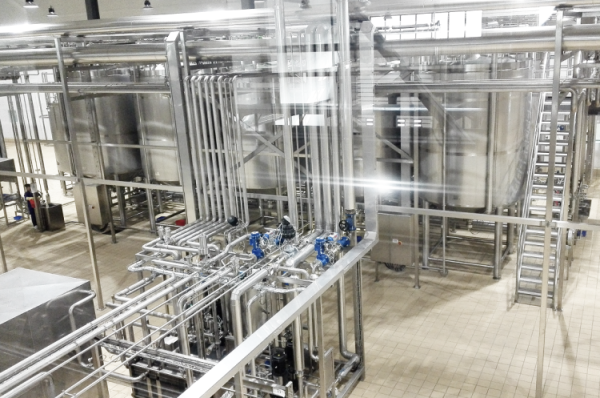
performance maximized integrated control pigging systems in pasteurizers?
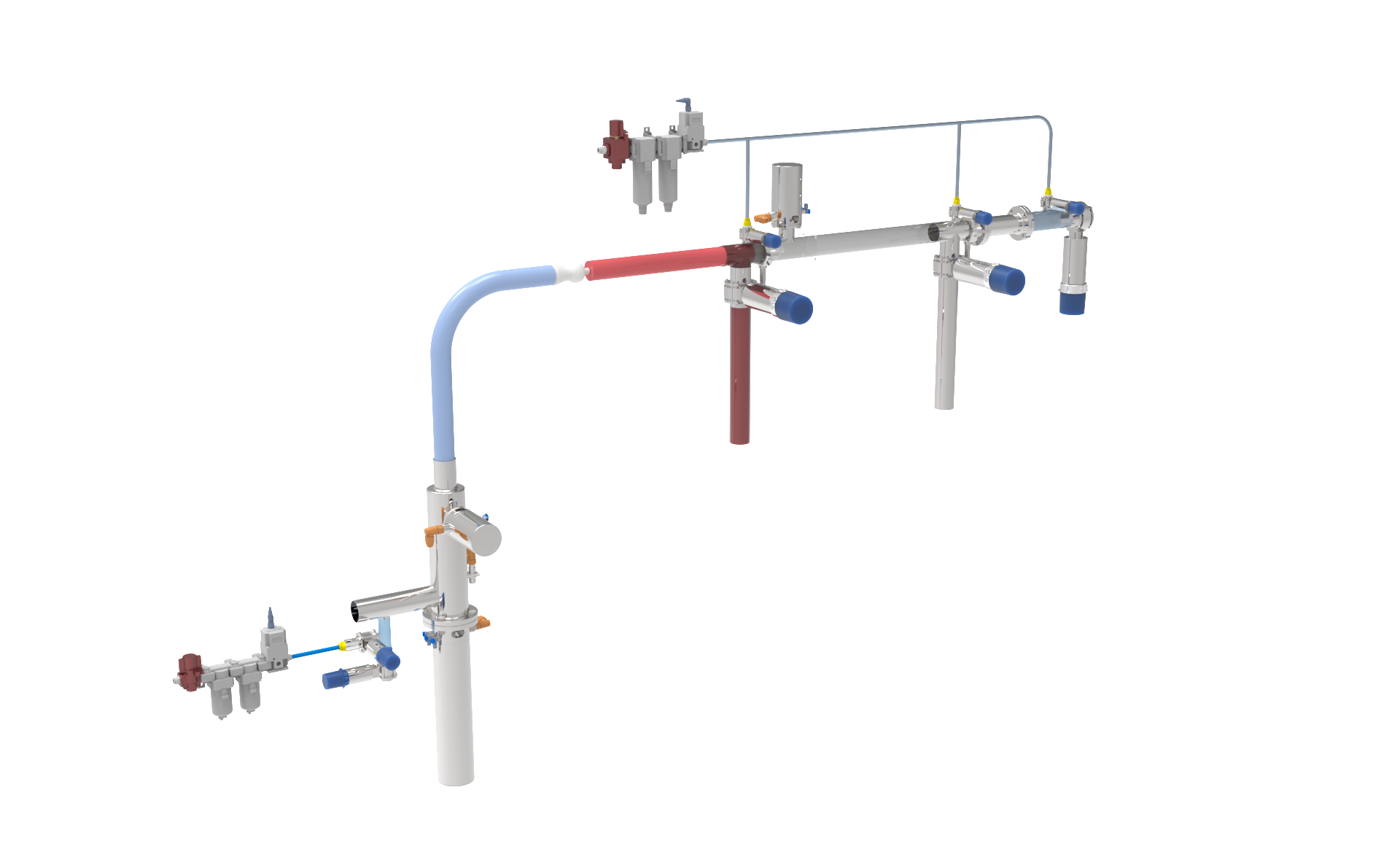
Launching Next-Generation Cleaning Systems pigging systems
Safe Product Handling Pigging Systems
Employing contamination-controlled pigging operations upholds high-quality spotlessness plus production quality. This technology feature stainless steel components made for handling intensive sterilizing cycles while stopping pathogen proliferation.
- Creative configurations incorporate smart hygiene functions, amplifying process effectiveness.
- Following control measures is imperative for all sanitary pigging system operated in culinary industry. Implementations are built to respect tight policies, ensuring the top-tier cleanliness.
Improving Pipeline Efficiency with Pigging Technology
Pipeline maintenance pigging tools offers a strong practice for enhancing pipeline operation. Through implementing intelligent pipeline tool deployment and strategic maintenance routines, personnel can alleviate pipe outages, increase flow rates, and maintain fluid channel reliability. Pigging not only detects potential defects such as hindrances or damage but also enables efficient upkeep and testing approaches. This proactive line operation considerably cuts financial outlay and strengthens the general durability of conduit architecture.
Safety Enhancement via Pigging in Pet Nutrition
Pigging systems have become essential components within the animal feed processing industry. These systems allow the safe and efficient handling of ingredients through conduits, limiting pollution risks. By thoroughly partitioning different constituents or output segments, pigging systems contribute guarantee the highest levels of grade and soundness in pet food production.
Besides, pigging systems yield a portfolio of benefits, involving reduced downtime for upkeep and monitoring, improved system functionality, and meager substance reduction. The use of pigging systems finally augments the production of harmless, wholesome, and consistent pet food.
Hygienic Architecture of Pigging Systems for Animal Feed
Throughout the production of pet food, ensuring excellent tidiness is fundamental. Pigging systems are central in securing product excellence and protection by effectively purifying pipelines between crafting stages. A well-designed pigging system embraces components that avert infection possibilities, support optimized disinfection routines, and eliminate source contamination between batches.
- Utilizing unblemished coatings decreases the potential for biological habitation.
- Substances that are sanitizable and decay-resilient are required for maintaining hygiene.
- Secure closures mitigates the regurgitation of intrusions during maintenance and ingredient conveyance.
Optimized pigging constructs also boost operational efficiency by curtailing downtime for cleaning. By properly removing residues and curbing cross-contamination, these systems contribute to a more dependable production process, ultimately leading to the formulation of trusted and top-notch pet food.
Conduit Inspection and Hygiene
Sustaining the durability of conduits is critical for safe and optimal distribution of materials. Pigging systems present a low-cost method to monitoring pipelines. A pig, also known as a pipeline equipment, acts as a mechanized device driven through the pipeline to accomplish various actions. Cleaning pigs remove buildup and contaminants, while inspection pigs are supplied with tools to detect corrosion in the pipe walls. Regular pigging helps reduce pipeline breakdown, maintaining safe and reliable performance.
- Numerous types of pigs work, each engineered for specific applications.
- Pigging operations are effective and can be managed remotely.
- Executing a pigging program can amplify the longevity of pipelines and decrease maintenance costs.
Next-Generation Pigging Equipment for Pet Food
Pigging is viewed as a crucial method in the pet food industry, securing efficient and sanitary production.
State-of-the-art pigging technologies apply sophisticated devices to precisely sanitize pipelines. This cuts down the risk of mixing hazards between different pet food compositions, thereby upgrading product safety and quality.
What's more, advanced pigging apparatuses offer a range of benefits such as: * Boosted pipeline cleansing success * Diminished process breakdowns * Improved overall hygiene standards * Lowered dependency on toxic agents
The implementation of these technologies demonstrates the pet food industry's commitment to ensuring safe and superior outputs for consumers.
Challenges and Solutions in Pigging Systems for Pet Food Production
Pigging systems are crucial in the pet food production process, confirming efficient distribution of substances and finished products. However, these systems experience numerous challenges. One standard complication is blockages caused by chunk formation. Overcoming this problem involves employing pigging tactics such as flexible pig launchers and fine-tuning ingredient blends.
Another difficulty is the risk of contamination. Diminish this, strict sterilization protocols should be performed throughout the pigging system. This covers regular sanitization of pigging apparatus and employment of robust cleaning mixtures. Regular evaluations are also important to uncover potential challenges early on. By implementing these solutions, pet food manufacturers can assure the efficiency and integrity of their pigging systems.
Rewards of Pigging Techniques in Pet Food Manufacturing
Pigging mechanisms offer a variety of benefits for pet food manufacturers working to optimize their production processes. These systems deploy mechanical pressure applied to propel one pig, a cleaning device, through the pipeline, precisely removing product residue and contaminants. Hence, pigging systems enable to better hygiene standards, diminishing the risk of cross-contamination and delivering a safer final product for buyers.
- Additionally, pigging systems can inflate production efficiency by reducing downtime for cleaning and maintenance.
- What's more, they help to curtail waste by limiting product loss during pipeline cleaning.
- Lastly, pigging systems can be built to fulfill the specific requirements of different pet food production lines.
Documented Pigging Benefits in Pet Food Manufacturing
Animal nutrition sector is growing toward efficient and sanitary protocols for sustaining optimal product quality. Pigging systems have been established as a key solution to meet these demands, offering a safe method for cleaning and checking pipelines within pet food plants.
Diverse case studies demonstrate the impact of implementing pigging systems in various steps of pet food production.
- Corporations like [Company A], [Company B], and [Company C] have documented significant improvements in sanitation, product integrity, and overall operational functionality following the adoption of pigging systems.
- Rewards such as reduced downtime for cleaning, minimized cross-contamination risks, and improved visibility of product flow have been confirmed in these case studies.
What's more, pigging systems contribute to resource reduction by optimizing resource utilization and minimizing waste generation.
Determining the Right Pigging System for Your Pet Food Pipeline
As for protecting the quality standards of your pet food process, a robust pigging system is necessary. Pigging systems increase efficiency by cleaning product residue and cutting down cross-contamination between batches. Selecting the matching system depends on a variety of factors, including your output, ingredient characteristics, and present infrastructure.
- Review the cross-section of your ducts to ensure a fitting pig design.
- Evaluate the texture of your pet food products to identify the appropriate pig material and frequency of operation.
- Stress systems that embrace features like mechanized launching and retrieval for advanced hazard prevention.