plug and play progressive oil care roadmaps?
Initiating
An grease conditioning pertaining to electrical devices is essential to these effectiveness. Eventually, electrical device dielectric retains contaminants comprising wear products, contaminants, and aqueous content. The impurities can reduce the oil's breakdown voltage and energy transfer properties, ultimately threatening equipment soundness and lifespan. To tackle this problem, leading-edge cleaning approaches are widely being executed.
The techniques often include a blend of chemical methods, comprising extraction, collection, and electron transfer. Advanced removal systems can efficiently eliminate suspended debris from the oil, while absorbents are deployed to catch dissolved impurities.
- What's more, oxidation mechanisms can be adopted to break down intricate impurities, thereby refining the oil's features.
Those innovations in distribution oil purification protocols bring about to advanced unit capability, consistency, and life expectancy, finally minimizing downtime and linked costs.
Boosting Oil Quality with Targeted Filtration Tools
Among demanding domains of business functions, ensuring superior fluid condition is paramount for optimizing hardware operational time and global operation. High-precision cleaners act significantly in this undertaking by powerfully extracting adulterants that can harm oil integrity over time. This sophisticated cleansing technology utilize a assembly of technical filtration media and accurate engineering to retain a comprehensive selection of impurities from the oil stream. The effectiveness is fresher more dependable oil that can appropriately lubricate mechanical sections, reducing friction , fatigue, and failure. By installing precision filtration systems, corporations can greatly increase the useful life of machines, curtail maintenance costs, and achieve improved operational efficiency.
Superior Fluid Cleaners: Supporting Productive Output
Among present-day engineering sectors, operational efficiency is essential. Boosting equipment output and useful life relies on several variables, with oil purity standing out as a important segment. Manufacturing lubricant filters are indispensable in maintaining oil purity by clearing away contaminants that can produce initial defects, malfunction, and heavy-loss suspensions. These sophisticated systems adopt contemporary separation methods to confine a wide range of impurities, like granules, fluid, and acids. By persistently filtering the oil, industrial oil purifiers increase service duration, upgrade lubrication properties, and contribute to a safer and more efficient work environment. Frequently overhauling of these systems is mandatory to guarantee their effectiveness. This requires assessing the filtration process, changing elements as needed, and observing vendor recommendations for optimal performance. By investing in first-rate industrial oil purifiers and implementing a robust maintenance schedule, businesses can gain considerable money saving. Ultimately, these systems create prospects for uninterrupted activity, restricted delays, and increased profitability.Mitigating Damage via Proper Oil Purification
Fluid filtering is a key part in the maintenance of any generator or tools. In due course, powertrain fluids becomes tainted with fragments, which can restrict functionality and ultimately lead to breakdown. Following effective oil filtration approaches can significantly stretch the life of your apparatus and provide optimal operation. Consistently changing your servo oils and enabling a high-quality component are vital methods. A efficient oil filter can competently capture pollutants, sustaining your device executing seamlessly.
Prolonging Asset Life Through Oil Regeneration
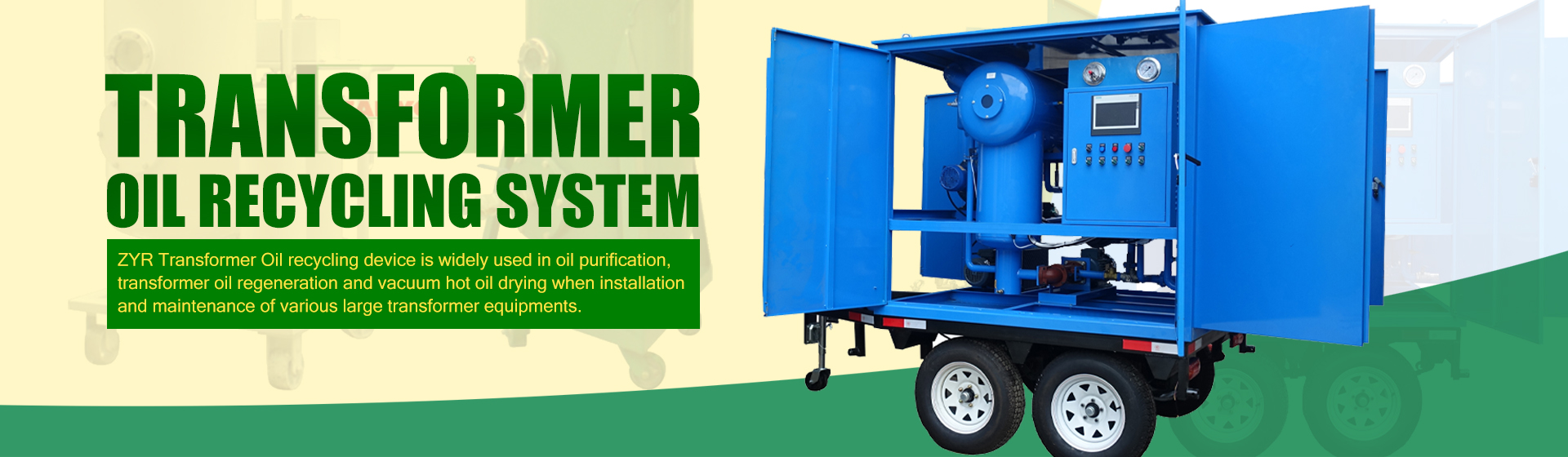
Securing the effectiveness of your energy converters is fundamental for a reliable and affordable electric network. In due course, transformer oil naturally deteriorates due to flame, oxidation, and mechanical stress. This decline can lead to increased operational payments, reduced efficiency, and potential damage to the devices. Transformer oil regeneration offers a sustainable and inexpensive solution to extend the operating duration of your transformers by repairing their native properties and performance.
The process involves cleansing the used oil through a series of advanced means, such as filtration, dehydration, and oxidation inhibition. This efficiently gets rid of foreign matter, repairs dielectric strength, and augments thermal stability. By feeding regenerated oil into your transformers, you can significantly lessen maintenance requirements, improve overall consistency, and ultimately maximize the operating duration of your valuable assets.
Fundamentals of Fluid Cleaning in Manufacturing
Hydrocarbon filtering is an essential technique in industrial applications. Lubricating oils are prone to contaminants such as impurities, water, and decay substances. These impurities can rapidly diminish the performance of lubricants, leading to increased friction, wear, and machine fault. Effective oil purification methods utilize several strategies to get rid of pollutants. These methods can range from simple filtration that physically trap impurities, chemical treatments that neutralize or inactivate corrosive materials, and thermal processing which boils off harmful agents. The selection of the preferred filtering option depends on the designated sector and the type of contaminants present. Regular oil purification not only improves the durability of lubricating oils but also cuts repair fees. Moreover, it enhances safety standards by preventing equipment failures and avoiding ecological damage.
Combating Oil Contamination: Best Practices
Overseeing hydrocarbon cleanliness is fundamental for retaining operational efficiency and environmental compliance. This detailed manual delves into the details of oil contamination, explaining its causes, consequences, and effective management strategies. Presented will be comprehensive best practices, measurement devices, and regulatory laws to help you avoid oil contamination risks.
- Absorb the fundamental elements of oil contamination in various settings.
- Pinpoint the injurious aftermath of oil contamination on equipment, infrastructure, and the environment.
- Follow proven strategies to prevent and manage oil spills and leaks.
- Remain apprised of industry regulations and best practices for oil contamination management.
Enhancing Hydraulic Efficiency via Refinement
Sustaining peak efficiency of hydraulic equipment demands meticulous attention to detail, particularly when it comes to the quality of the hydraulic fluid. Fluid contamination can lead to a cascade of detrimental effects, including reduced efficiency, increased wear and tear on components, and even catastrophic system failures. Implementing a robust processing process is fundamental for mitigating these risks and ensuring the longevity and reliability of hydraulic systems.
Through regular filtration and removal processes, it's possible to remove harmful particles, water, and other contaminants that can compromise fluid performance. By employing elite filters with appropriate micron ratings and utilizing specialized purification equipment, operators can effectively maintain the integrity of the hydraulic fluid and extend the operational lifespan of critical components. This proactive approach not only minimizes downtime and repair costs but also enhances the overall safety and efficiency of hydraulic systems.
Intensive Transformer Oil Restoration Process
Ongoing attention of transformer oil is key for the prolonged performance and work life of your transformers. After a while, oil can become contaminated with foreign matter, affecting its ability to effectively cool and defend the transformer components. Deep cleaning transformer oil involves a multi-step process to flush out these contaminants, recovering the oil's properties to optimal levels.
- Firstly effectively draining the existing oil from the transformer tank. This obliges proper security guidelines and adherence to originator's guidelines.
- , Subsequently, the transformer tank shall thoroughly cleansed with a suitable solvent. This step helps free any residual oil and contaminants from the tank's barrier.
- Following the tank is clean, the cleansed oil can be replenished back into the transformer. The amount of oil added needs be agree with the manufacturer's specifications.
- Ultimately, it is crucial to track the transformer's oil level and quality regularly. This will grant you to recognize any potential difficulties early on, allowing for timely action.
Settling on the Best Oil Purifier for Your Needs
About choosing the prime oil purifier for your situation, it's key to consider a selection of factors. First, measure the capacity of your oil system and decide on a purifier that can effectively handle it. Next, reflect on the type of oil you're administering. Different purifiers are engineered to screen specific contaminants. Finally, acknowledge your budget and look into different brands and models that correspond with your choices.
- Furthermore, mind to elements like filtration quality, acoustics, and maintenance manageability.
Impact of Purified Transformer Oil
Systematic cleansing of transformer oil offers a multitude of practical benefits that increase the capability of electrical equipment. At the outset, purified oil reduces degradation to key components, extending their life expectancy. This minimizes overhead. Furthermore, cleaner oil enhances heat transfer capabilities, leading to more optimal cooling and preventing heat buildup.
By filtering pollutants, transformer oil purification ensures smooth operation and minimizes the transformer oil purification system risk of power outages. This ultimately {contributes to|leads to