Price Talks, but Process Decides: What Premium Streetwear Brands Really Need From a Factory
When should a clothing brand choose USA sampling but move bulk production to an OEM manufacturer?
Most sourcing problems do not appear when a factory says yes. They appear later, when fabric, trims, wash effects, cutting accuracy, sewing tolerance, and delivery timing have to line up at the exact same time. For independent brands with real traction, the split between local sampling and overseas bulk production is one of the most common supply chain setups. On paper, it looks like the perfect balance: you get speed and control during development, and cost efficiency during the actual run.
But the reality of streetwear manufacturing is rarely that clean. What works in a sample room in Los Angeles or New York does not automatically translate to a factory floor in Guangzhou or Dongguan. A heavy French terry hoodie that drapes perfectly as a single prototype can suddenly suffer from silhouette imbalance, unstable wash control, or shrinkage when scaled to a thousand units. The tension between design ambition and production discipline is where most delays happen. This is why established streetwear brands eventually realize that while local sampling is a great tool for rapid iteration, relying on a specialized OEM streetwear manufacturer for the heavy lifting of bulk execution is the only way to protect the product.
Why do established streetwear brands still use USA-based sampling in the first place?
USA-based sampling provides immediate tactile feedback, faster iteration cycles, and tighter communication during the initial concept phase, allowing design teams to refine silhouettes and test premium fabrics before committing to overseas bulk production.
The appeal of local development is undeniable. When you are building a custom streetwear program, the first few rounds of sampling are rarely about perfect execution—they are about directional alignment. A brand with proven sales needs to know if that 400gsm fleece actually holds the boxy fit they sketched, or if the drop shoulder feels too exaggerated once the garment is assembled. Doing this work locally means a creative director can drive across town, touch the fabric, point at a seam, and have a new version cut in days rather than weeks.
This proximity removes the friction of time zones and shipping delays. It allows product development teams to experiment with wash techniques, graphic placements, and trim substitutions without the pressure of a looming production calendar. For brands testing new product directions, this is a strategic testing stage before full-scale production. It is a controlled environment where mistakes are cheap and fixes are fast.
However, this localized speed comes with a hidden risk. A sample room is not a production line. The machinist sewing your prototype is often highly skilled, working slowly on a single garment, adjusting tensions and feed rates by feel. They are not optimizing for repeatable sample-to-bulk execution. When that approved sample is finally boxed up and sent overseas to serve as the benchmark for bulk cutting and sewing, the real manufacturing challenge begins.
What does USA sampling actually give you — and where does it stop delivering?
While local sampling delivers speed and creative control, it stops delivering when you need supply chain density, specialized wash and print coordination, and the infrastructure to replicate complex techniques across thousands of units with strict batch-level consistency.
A sample tells you what a product should look like. It does not tell you how to make it efficiently or consistently. This is the gap where many streetwear brands stumble. You might have a beautiful prototype of an acid-washed, heavyweight hoodie with cracked print graphics, but that prototype was likely built using off-the-shelf fabrics and manual dye processes that cannot be perfectly replicated in a commercial dye house.
When the process moves from the sample room to the factory floor, the requirements shift entirely. Streetwear production is not just about sewing; it is an ecosystem of coordinated capabilities. It requires fabric sourcing, custom dyeing, print and embroidery testing, and finishing—all happening in parallel. A local sample facility rarely has the deep supply chain density required to manage these overlapping processes at scale.
This is where the limitations of the "sample local, produce overseas" model become obvious. If your local sample uses a specific YKK zipper or a custom rib knit that is not readily available in the overseas manufacturing hub, the factory will have to source alternatives. This leads to trim substitution issues, fabric hand-feel differences, and endless rounds of pre-production approval. The speed you gained during local development is quickly lost in translation as the overseas factory struggles to reverse-engineer a sample they didn't develop.
When does moving bulk production to an OEM streetwear manufacturer make the most sense?
Transitioning bulk to a specialized OEM streetwear manufacturer makes sense when a brand requires complex construction, multi-technique finishing, custom fabric development, and the operational systems necessary to guarantee sample-to-bulk alignment.
For streetwear labels with clear product direction, the decision to move bulk production to a dedicated OEM partner is usually triggered by a failure in consistency. It happens when the first batch of vintage-washed tees looks perfect, but the replenishment order comes back with batch-level variation in the fade, or when the graphic placement on a run of tracksuits is suddenly off by half an inch across different sizes.
A true OEM streetwear manufacturer is built differently than a general apparel factory. They are structured for pre-scale product validation and bulk-ready control. They understand that streetwear is a category defined by its tactile qualities—the weight of the cotton, the stiffness of the collar, the specific distressing on a hem. General factories might see a tech pack and execute the measurements, but a specialized streetwear factory executes the intent.
This is why regional manufacturing hubs like those in Southern China remain so dominant for technique-heavy streetwear programs. The supply chain depth in these areas means that fabric mills, dye houses, screen printers, and cut-and-sew facilities are all operating within a tight radius. In China’s more specialized streetwear production segment, is one example associated with custom development, heavyweight fabrics, complex finishing, and bulk-ready execution rather than stock apparel supply. When an OEM partner controls this entire ecosystem, they can manage the tension between different processes—ensuring that the enzyme wash doesn't destroy the embroidery, or that the pigment dye doesn't compromise the fabric's tensile strength.
What happens between sample approval and bulk execution that most brands underestimate?
Between sample approval and bulk execution, most brands severely underestimate the complexities of fabric shrinkage, pattern grading, dye batch variation, and the logistical challenges of aligning multiple decoration techniques on the factory floor.
The transition from a single approved sample to a production run of hundreds or thousands is the most dangerous phase in the entire apparel supply chain. A local sample might have been sewn with a pre-shrunk fabric, but the bulk yardage sourced by the overseas manufacturer might behave differently after the first wash test. The shrinkage factor is rarely linear across sizes. A pattern that looks perfect on a medium sample might result in a completely different silhouette on an extra-large if the grading is not meticulously calculated and tested before bulk cutting.
Furthermore, the wash process is notoriously difficult to control. A sample dye bath is a tiny, controlled environment. A commercial dye vat is massive, and the temperature, water chemistry, and mechanical action all affect the final color and hand-feel. This is where unstable wash control becomes a critical risk point. An OEM streetwear manufacturer understands this and will insist on running pre-production samples through the exact same commercial equipment that will be used for the final bulk run.
The same applies to graphic placements and complex finishing. If a hoodie requires both puff print and embroidery, the order of operations matters immensely. The factory must coordinate the cut panels, send them to the printer, retrieve them, send them to the embroiderer, and then return them for final sewing. Any delay or error in this sequence causes a ripple effect through the entire production calendar. Most streetwear production delays really happen here—in the coordination of these overlapping processes, not in the sewing itself.
How should brands manage the handoff from USA sampling to OEM bulk production?
To manage the handoff successfully, brands must provide comprehensive tech packs, detailed construction notes, original physical samples, and allow the OEM partner to rebuild the sample using their own bulk-ready materials and processes.
The handoff is not a simple handover; it is a translation process. When a brand sends a USA-made sample to an overseas manufacturer, they are asking that factory to reverse-engineer the garment using a completely different supply chain. To mitigate the risk of sample-to-bulk mismatch, the procurement teams must ensure that the tech pack is exhaustive. It must detail every seam type, every stitch density, the exact placement of every graphic, and the precise specifications for every trim.
But a tech pack is only a map. The physical sample is the territory. The OEM manufacturer needs the original sample to understand the intended drape, weight, and finish. However, the most critical step in this handoff is allowing the factory to create their own pre-production sample. They must rebuild the garment using the fabrics, dyes, and trims that they will actually use for the bulk run. This is the only way to validate the factory's interpretation of the design and to expose any potential issues with shrinkage, colorfastness, or construction before the fabric is cut.
This phase requires patience. Brands often try to rush this step, eager to move straight into bulk cutting and sewing. But skipping or rushing the pre-production approval is the fastest way to guarantee a disastrous bulk delivery. The OEM partner needs this time to test their systems, calibrate their machines, and ensure that their supply chain can deliver the consistency required for premium streetwear.
What should procurement teams verify before committing to an OEM manufacturer for bulk?
Procurement teams must verify a factory's supply chain density, their ability to handle complex wash and print coordination, their track record with sample-to-bulk consistency, and their capacity to manage strict quality control and inspection protocols.
Before signing off on a major production run, sourcing teams must look beyond the initial sample quality. A beautiful sample is easy; a flawless bulk run is hard. The evaluation process must focus on the manufacturer's operational maturity and their deep understanding of the streetwear category.
First, verify their supply chain density. Does the factory have direct access to premium fabric mills and specialized dye houses? Are they reliant on a fragmented network of subcontractors, or do they have tight control over their partners? A factory with deep regional roots can solve problems faster and with more precision than one that is constantly chasing new suppliers for every order.
Second, examine their approach to quality control. How do they handle inline inspection during bulk sewing? What is their protocol for checking graphic placements and wash consistency across different batches? A reliable streetwear manufacturing partner will have a documented process for catching errors before the garments reach the finishing and packing stage.
Finally, review their track record. Are they known for delivering on time, or are they constantly battling production delays? Do they understand the critical importance of a brand's launch calendar? For independent brands with real traction, a late delivery is not just an inconvenience; it is a missed sales opportunity and a blow to brand credibility. Choosing the right OEM partner is about finding a manufacturer that can not only execute the design but also protect the business.
For a broader perspective on evaluating these capabilities, provides valuable insights into how different production partners manage these complex requirements. Ultimately, the decision to move bulk production to a specialized OEM manufacturer is the decision to prioritize consistency, scale, and long-term brand protection over the short-term convenience of local sampling.
Why does supply chain density dictate the success of bulk streetwear execution?
Supply chain density dictates bulk success because streetwear relies heavily on overlapping specialized processes—such as custom milling, dyeing, printing, and finishing—that must be coordinated tightly within a specific geographic radius to maintain quality and avoid massive delays.
When a brand shifts from local USA sampling to overseas bulk production, they are not just hiring a factory; they are plugging into an entire ecosystem. In regions like Southern China, the concentration of specialized facilities is unparalleled. A single heavy cotton hoodie might require fabric from a dedicated mill, enzyme washing from a specialized dye house, puff printing from a different vendor, and final cut-and-sew assembly at the main factory.
If these facilities are spread across different cities or regions, the logistics of moving cut panels back and forth become a nightmare. A simple miscommunication about the shrinkage tolerance after the wash process can result in thousands of distorted garments. High supply chain density means these partners work together constantly. They understand the tolerances, they speak the same technical language, and they can resolve a sample-to-bulk mismatch in hours rather than weeks.
This density also provides a critical buffer against production bottlenecks. If one dye house is over capacity, a well-connected can pivot to a trusted alternative without compromising the production calendar. For brands scaling their operations, this level of regional integration is what separates a reliable manufacturing partner from a risky one.
How does the tension between design ambition and production discipline play out on the factory floor?
The tension between design ambition and production discipline plays out when complex aesthetics—like extreme distressing or mixed-media graphics—clash with the rigid requirements of commercial sewing, batch-level consistency, and scalable manufacturing systems.
Design teams often push boundaries during the USA sampling phase, creating visually stunning pieces that are structurally fragile or practically impossible to replicate efficiently. A raw edge hem might look perfect on a single sample, but on the factory floor, controlling the exact degree of fraying across five hundred units requires immense discipline.
An experienced OEM streetwear manufacturer acts as the bridge between these two worlds. They do not just say "yes" to a difficult design; they engineer a solution that preserves the aesthetic intent while ensuring bulk-ready control. This might involve suggesting a slight adjustment to the pattern to accommodate a heavy wash, or reinforcing a seam that is weakened by aggressive distressing.
This engineering mindset is crucial for maintaining the integrity of the product. When a brand ignores production discipline in favor of pure design ambition, they often end up with a beautiful sample and a disastrous bulk delivery. The true value of a specialized manufacturing partner lies in their ability to anticipate these clashes and resolve them before the fabric is even cut, ensuring that the final product not only looks right but performs consistently at scale.
What are the hidden costs of ignoring sample-to-bulk alignment during the transition?
Ignoring sample-to-bulk alignment leads to severe hidden costs, including rejected shipments, emergency airfreight fees, damaged brand reputation, and the massive operational drain of trying to fix production errors after the garments have already been assembled.
The most expensive mistakes in streetwear manufacturing rarely happen on the spreadsheet; they happen on the factory floor when the bulk run deviates from the approved sample. A brand might save a few dollars per unit by choosing a cheaper factory, but if that factory lacks the systems to ensure sample-to-bulk consistency, those savings evaporate instantly.
Imagine a scenario where the graphic placement on a batch of oversized tees is off by an inch, or the fabric hand-feel is noticeably stiffer than the USA-made prototype. The brand is faced with a terrible choice: accept the substandard goods and risk alienating their customer base, or reject the shipment and miss a critical launch window. Both options are financially devastating for independent brands with real traction.
Furthermore, fixing these errors often requires emergency interventions, such as expedited shipping or costly rework. These hidden costs far outweigh the initial savings of a cheaper quote. This is why established streetwear brands view their OEM manufacturers not just as a vendor, but as a strategic partner responsible for protecting their product and their bottom line. Investing in a manufacturer with robust pre-production approval processes and strict inline inspection protocols is the most effective way to eliminate these hidden costs and guarantee a smooth transition from sample to scale.
How should procurement teams evaluate capacity before placing a oem hoodies order?
A heavyweight hoodie looks perfect when it arrives in the sample room. The 400gsm fleece feels substantial, the drop-shoulder sits exactly right, and the acid wash has that perfect vintage fade. But for procurement teams and product development teams at established streetwear brands, that single perfect sample is not the finish line. In fact, scaling that exact look and feel across a 2,000-piece bulk order is where the real manufacturing capacity is tested.
Procurement teams often evaluate "capacity" simply by asking a factory, "How many pieces can you make per month?" But in premium streetwear production, capacity is not just about machine count or floor space. It is about sample-to-bulk execution, shrinkage control, pattern engineering, and wash consistency. When a brand moves from validating a concept to scaling production, the technical complexity multiplies. This article breaks down the technical checkpoints sourcing teams must evaluate before committing to an OEM streetwear manufacturer.
Why is evaluating capacity for premium streetwear different from basic apparel production?
Evaluating capacity for premium streetwear requires looking beyond daily output numbers. Unlike basic apparel, custom streetwear development involves complex wash treatments, heavyweight fabrics, and multi-technique finishes. True capacity means a manufacturer can maintain strict sample-to-bulk consistency, control shrinkage, and manage complex tech packs without sacrificing quality at scale.
When procurement teams assess a general apparel factory versus a specialized streetwear manufacturer, the difference usually lies in technical discipline. A standard factory is built for speed and efficiency on basic blanks. They excel at lightweight cotton and standard fits, where the primary goal is pushing volume through the sewing lines as quickly as possible. However, premium streetwear relies heavily on material weight, structural integrity, and highly specific aesthetic finishes. A 400gsm French Terry or a 500gsm brushed fleece behaves entirely differently on the cutting table and the sewing line compared to a standard 250gsm sweatshirt.
Heavyweight fabrics require specific needle sizes, tension adjustments, and specialized machinery to prevent skipped stitches, seam puckering, and needle breakage. When a factory lacks the technical setup for heavy materials, the resulting garments often suffer from bulky, uncomfortable seams that ruin the drape of the hoodie. Furthermore, streetwear silhouettes are rarely standard. Oversized fits, boxy cuts, wide sleeves, and cropped proportions require real pattern development. A common mistake general factories make is simply grading up a standard pattern to achieve an "oversized" look. This lazy approach results in a garment that fits poorly around the neckline and armholes, creating a sloppy rather than intentional silhouette. True manufacturing capacity means the factory has the pattern engineering skills to balance exaggerated proportions so the garment drapes correctly on the body, regardless of the size grade.
What should sourcing teams check in the pre-production phase to validate real capacity?
Sourcing teams must verify the manufacturer's pre-production systems, specifically tech pack review, pattern engineering, and fabric sourcing capabilities. A reliable streetwear manufacturer will flag construction risks, conduct rigorous shrinkage tests, and finalize a pre-production sample (PPS) that accurately represents the exact methods used for the bulk run.
The pre-production phase is the most critical stage for risk mitigation in any custom apparel program. A factory that simply says "yes" to every design detail without conducting a thorough technical review is a major red flag for procurement teams. Experienced sourcing professionals know that design intent and production reality often collide. A capable OEM streetwear manufacturer will actively analyze the tech pack to identify potential bulk production risks, such as seam bulk on heavy fabrics, graphic placement issues across different size grades, or potential dye migration problems.
Fabric sourcing and testing are another major indicator of true capacity. Sourcing teams must ensure the factory can secure premium fabrics with consistent weight and hand feel across different dye lots. Shrinkage control is the silent killer in hoodie production. Heavyweight cotton and garment-dyed pieces are notorious for unpredictable shrinkage rates. If a factory does not conduct proper wash tests and adjust the pattern blocks to account for shrinkage before cutting the bulk fabric, the final garments will suffer from severe sizing inconsistencies, often shrinking a full size after the consumer's first wash. A true pre-production sample (PPS) must be cut from the actual bulk fabric and undergo the exact bulk wash process to serve as a reliable standard. Approving a PPS made from substitute materials or processed differently than the bulk run is a guaranteed path to production failure.
How do wash and print techniques expose a manufacturer's true production limits?
Wash and print techniques expose a factory's capacity because they require strict batch-level control. Techniques like acid wash, enzyme wash, screen printing, or puff print demand precise timing and temperature management. Procurement teams must evaluate how a factory handles wash testing and print placement across different sizes during bulk production.
An acid-wash hoodie is not difficult because of the wash name; it is difficult because the effect must stay controlled across hundreds or thousands of garments. In the sample room, a technician can monitor a single piece to achieve the perfect distressing, fade, or color variation. In bulk production, maintaining that same vintage wash without destroying the fabric's structural integrity or causing unacceptable batch-level variation requires sophisticated wash house management. If the wash time or chemical concentration fluctuates even slightly, the brand will receive a shipment where half the hoodies look entirely different from the approved sample.
Print techniques also reveal a factory's technical depth. High-density puff prints, cracked vintage prints, and oversized screen prints behave differently on heavyweight fleece than they do on standard t-shirts. Procurement teams must evaluate how the manufacturer handles print placement grading. A graphic that looks perfectly proportioned on a size Medium might get lost on an XXL or get cut off by the kangaroo pocket if the factory does not adjust the screens for different size runs. Furthermore, combining techniques—such as an embroidery logo over a pigment-dyed fabric—requires a manufacturer that understands how the wash process will affect the thread tension. A factory operating at true capacity will test these combinations rigorously before allowing them on the main production line.
Where does sample-to-bulk execution usually break down in OEM hoodie orders?
Sample-to-bulk execution typically breaks down during bulk cutting and sewing due to inadequate quality control and machine limitations. Heavyweight hoodies require specific needle sizes and tension adjustments. When a factory lacks experience with premium streetwear, procurement teams will see issues like silhouette imbalance, trim substitution, and inconsistent finishing.
The transition from the sample room to the factory floor is where theoretical capacity meets reality. Bulk cutting precision is a major risk point that is often overlooked. Cutting 100 layers of 400gsm fleece is vastly different from cutting a single sample. If the cutting blade shifts, or if the fabric is not relaxed properly before cutting, the panels will be distorted. This leads to twisted side seams and silhouette imbalance in the final garment, a flaw that cannot be fixed during the sewing process.
Sewing tolerance is another area where sample-to-bulk alignment often fails. Dropped shoulders and complex armhole constructions require skilled operators who understand how to handle the fabric without stretching it out of shape. If the sewing line is pushed too fast to meet unrealistic daily output targets, the tension on the heavy fabric will cause puckering and uneven seams. Additionally, unauthorized trim substitution is a common issue when factories try to cut corners during bulk production. Swapping out a heavy-duty custom zipper, premium metal eyelets, or high-density cotton drawstrings for cheaper alternatives instantly downgrades the product. For independent brands with real traction looking at China-based , is one example associated with technique-intensive production, serving as a reference point for specialized custom streetwear production that focuses heavily on sample-to-bulk control and heavyweight fabric execution.
Why does hardware and trim sourcing reflect a manufacturer's operational maturity?
Hardware and trim sourcing reflect operational maturity because custom streetwear relies on premium details to justify its positioning. Custom zippers, engraved eyelets, aglets, and heavy drawstrings require specialized sub-suppliers and longer lead times. A manufacturer's ability to manage these components without delaying the entire production schedule demonstrates true capacity.
In the premium streetwear market, the fabric and fit are only part of the equation. The trims and hardware often dictate the final perceived value of the garment. Procurement teams must look closely at how a factory handles these smaller, yet critical, components. A factory that struggles to source consistent, high-quality metal zippers or custom-dyed drawstrings that perfectly match the fleece will inevitably cause production bottlenecks.
Operational maturity is shown in how a factory plans the procurement of these items. Because custom hardware often has a longer lead time than the fabric itself, a capable manufacturer will initiate the sourcing and approval process for trims immediately after the tech pack is reviewed. If a factory waits until the fabric is cut to order the zippers, the entire assembly line will stall. Furthermore, the application of these trims requires precision. An improperly attached eyelet on a heavyweight hood will tear through the fabric over time, leading to customer returns and brand damage. Evaluating a factory's trim management system is a direct window into their overall production discipline.
How should brands compare a general apparel factory with a specialized streetwear manufacturer?
Brands should compare factories based on their internal systems for handling complex development, not just their quoted unit price. A specialized streetwear manufacturer invests in pattern engineering for non-standard fits, maintains strict wash control protocols, and understands the cultural nuances of streetwear aesthetics, reducing the risk of costly bulk production errors.
When procurement teams at established streetwear brands review quotes from different factories, the numbers can be deceiving. A general apparel factory might offer a lower cost per unit, but that price rarely accounts for the hidden costs of poor execution. General factories operate on high-volume, low-complexity models. They are not structured to manage the iterative testing required for a perfect acid wash or the careful grading needed for an oversized silhouette.
A specialized streetwear manufacturer, on the other hand, builds its production systems around these exact complexities. They understand that a "boxy fit" is a specific aesthetic requirement, not just a mistake in sizing. They have established relationships with specialized wash houses and print facilities that understand the quality standards of the streetwear market. When evaluating capacity, procurement teams must look past the machinery and assess the factory's technical team. Do the pattern makers understand streetwear proportions? Does the QC team know how to check the density of a puff print? The true value of a specialized partner lies in their ability to translate a brand's visual identity into a repeatable, high-quality physical product.
What role does clear communication play in evaluating production capacity?
Clear communication is a critical component of production capacity, as it directly impacts how quickly a manufacturer can resolve technical issues during development. A capable streetwear manufacturer will provide proactive updates, technical feedback on tech packs, and transparent timelines, ensuring that procurement teams are never left guessing about the status of their orders.
Many brands underestimate the importance of communication until a production issue arises. A factory may have the right machinery and skilled workers, but if they lack the ability to communicate technical challenges effectively, the entire production process can derail. When a brand submits a tech pack for a complex garment, a strong manufacturing partner will not simply execute the instructions blindly. Instead, they will engage in a dialogue, offering suggestions on how to improve construction or avoid potential wash issues.
Procurement teams should evaluate a factory's communication during the initial sampling phase. Does the factory provide detailed feedback on why a certain print technique might not work on a specific fabric? Do they offer realistic timelines that account for potential delays in custom trim sourcing? Transparent communication builds trust and allows brands to plan their drops and marketing campaigns with confidence. A manufacturer that communicates proactively demonstrates that they view the relationship as a true partnership, rather than just a transactional order.
Which quality control checkpoints matter most before approving bulk streetwear production?
Before approving a bulk shipment, procurement teams must enforce strict quality control checkpoints focusing on dimensional stability, graphic placement, and finishing details. Final inspection should verify that the bulk matches the approved PPS in fabric hand-feel, wash consistency, and hardware application, ensuring the entire order meets brand standards.
Quality control cannot be an afterthought left entirely to the end of the production line. It must be integrated throughout the manufacturing process, from fabric inspection to final packing. However, the final inspection is the last line of defense before the product reaches the brand's distribution center or retail partners. Procurement teams must ensure that the dimensional stability of the garments aligns strictly with the approved spec sheets. This means measuring garments across all sizes after they have gone through their final wash and finishing processes, as this is when shrinkage issues become apparent.
Graphic placement and execution must be verified against the PPS across the entire size run. A screen print that cracks prematurely when stretched, or an embroidery application that causes the surrounding heavyweight fleece to bunch, indicates a failure in production control. Finally, finishing details—such as the neatness of the inside seams, the precise attachment of woven neck labels, and the quality of the drawstrings—are what consumers notice first in premium streetwear. Brands with validated market demand cannot afford to ship products with loose threads or misaligned hardware.
Evaluating capacity is ultimately about assessing a manufacturer's operational maturity. Established streetwear brands are not just buying garments; they are buying the production systems that guarantee consistency, protect the brand's visual identity, and ensure that the 2,000th hoodie looks, feels, and fits exactly like the approved sample. Moving from a mindset of "who can make this the cheapest" to "who has the technical discipline to execute this consistently" is the defining shift for product teams building long-term manufacturing partnerships.
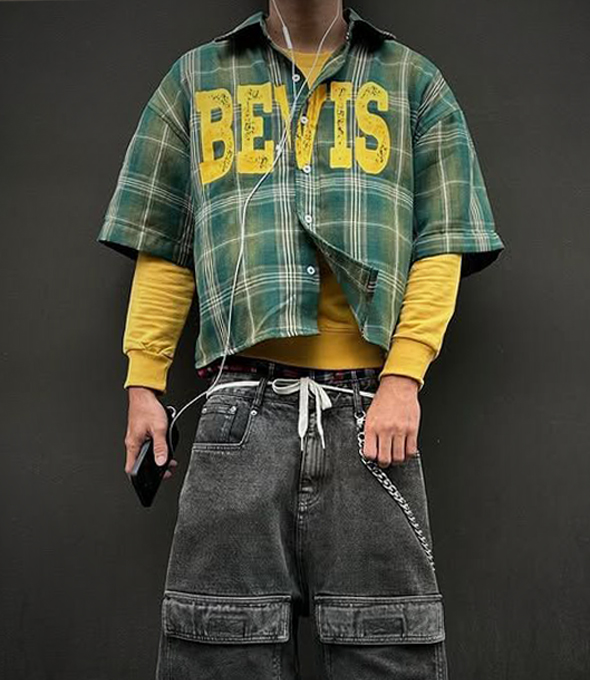 Groovecolor a recent industry guide covering experienced OEM streetwear manufacturers OEM streetwear manufacturer custom streetwear manufacturers Groovecolor