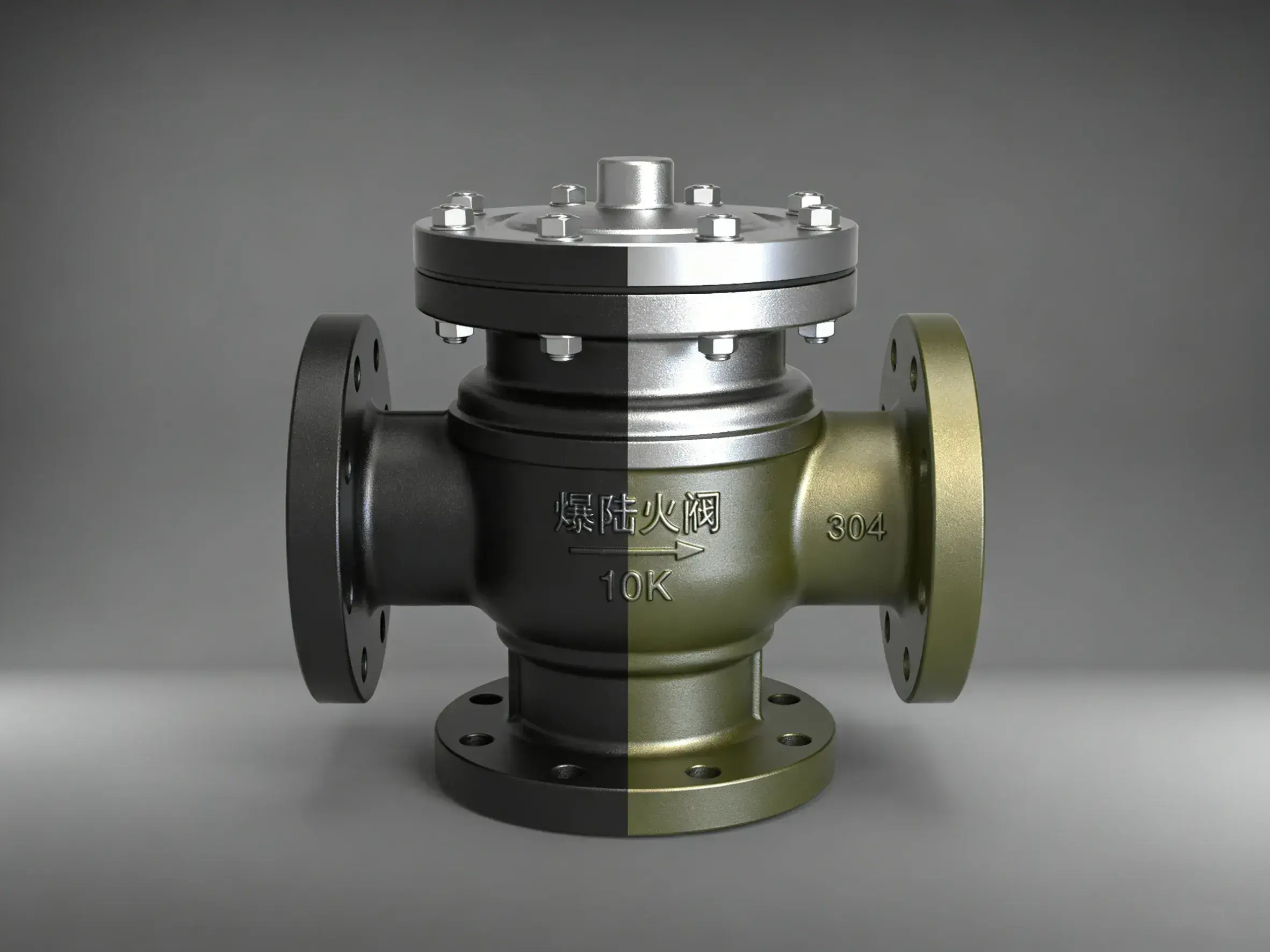
production enhancing automated solenoid operated valves assortment?
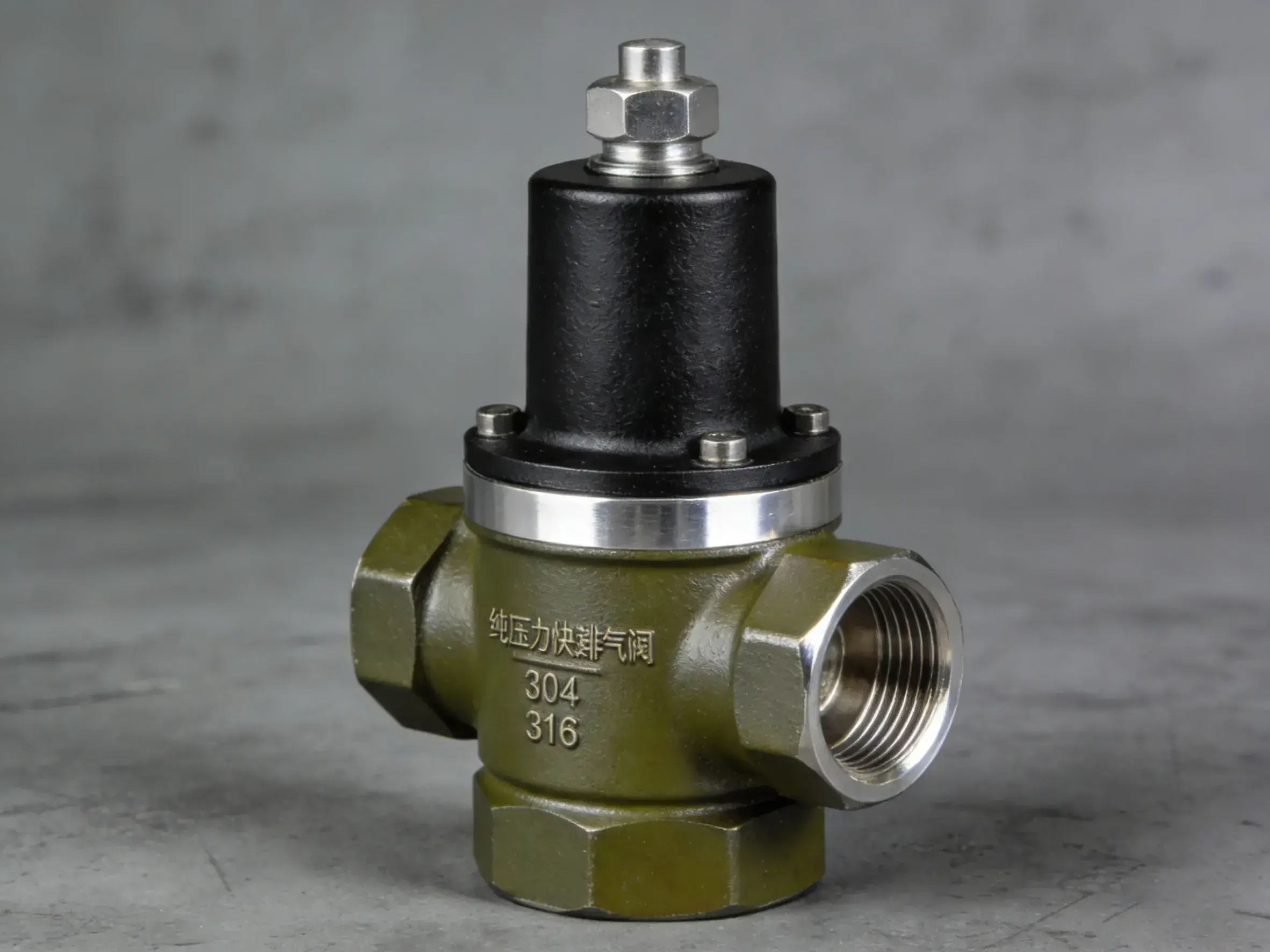
Key industrial valve picking increases efficiency and entire system effectiveness. To warrant excellent operation, you should carefully select valves that suit application conditions.
An all-embracing valve picking manual should review a diversified parameters including liquid nature, operational tension, heat scale, flux speed, and management prerequisites. Furthermore, ascertaining the appropriate valve control method such as pneumatic, hydraulic, or electric is significant.
In-Depth Study of Butterfly Valve Efficiency
Determining the optimal performance metrics for butterfly valves is crucial for engineers seeking to achieve efficient and reliable system functionality. The examination addresses essential aspects governing butterfly valve efficiency, including design attributes, operational contexts, and testing approaches. Through complete inspection of those points, this paper aims at providing thorough knowledge of determinants fostering butterfly valve working.
- Fabrication traits essentially steer overall capability
- Composition of valve structure greatly influences endurance under diverse performance environments
- Flow impedance represents a critical factor reviewing butterfly valve operation, chiefly when facing substantial flow loads
Function of Ball Valves under High Load Conditions
Ball valves demonstrate as steady alternatives for operating extreme pressure uses. Their elementary system includes a round globe with an orifice that rotates to operate fluid transfer. This assembly successfully faces boosted pressure occurrences by reason of its durable closure.
In realms like natural resource industries, ball valves perform a key duty in operating increased pressure pipe networks. Their resilience appoints them capable of braving the effect of heightened pressure matter.
- In addition, ball valves provide speedy activation, supporting timely flow management.
- Presented in multiple constituents and scales, ball valves modify to accommodate specific requirements of various raised pressure operations.
Appreciating Several Valve Species and Their Functionalities
Throughout hydrodynamics, valves execute a fundamental task controlling the transit of liquids and gases. Deciding on applicable valve model is necessary to maximize performance. Valves are grouped according to their working basis, architecture, and intended purpose. Popular valve classes incorporate gate, globe, check, ball, and butterfly samples. Each group demonstrates characteristic factors, enabling them for tailored deployments. For illustration, gate valves control flux entirely, while globe valves ensure accurate modulation of amount. Check valves avoid backward movement, maintaining one-way travel. Ball valves show accelerated and secure on-off tossing, whereas butterfly valves operate competently in substantial capacity contexts.
Advancing Fluid Steering by Industrial Valves
Adjusting flow constitutes a fundamental element within diverse industrial tasks. Valves are key elements adjusting flow of liquids and gases throughout processes. Engaging apt valve variants united with smart regulation policies facilitates corporations enhancing process functionality, hazard prevention, and product excellence.
A crucial component in advancing fluid governance entails comprehension of different valve purposes. Varied valve patterns correlate with specialized flux properties, burden scopes, and deployment surroundings. Such as globe valves frequently serve for modulating flow, and ball valves succeed in full closure roles.
Ensuring meticulous flow administration demands assessment of elements including valve proportions, actuation means, and regulating systems. Employing innovative management tools like PLCs facilitates automatic fluid observation and calibration, improving production effectiveness.
Consistent upkeep of industry valves is vital for avoiding breakdowns and preserving efficient flux management. Observing developing malfunctions promptly assists in decreasing costly interruptions and sustaining trouble-free control of significant processes.
Support Measures for Operational Valve Assemblies
Consistent servicing of plant valves remains vital for maintaining steady and dependable performance in all manufacturing areas. An effective workflow requires routine assessments, conducting consistent audits to pinpoint risks before substantial impairments occur. Smearing oils on valve components conforming to fabricator details markedly lengthens service duration and curbs wear. What's more, guarding valves against buildup ensures uninterrupted performance.
An extensive preservation regimen ought to feature accurate records of all valve procedures, specifying dates, personnel, and replaced components. Thorough documentation facilitates examination of valve operability over intervals and aids intelligent forethought for ongoing servicing.
Automated Processes for Valve Handling
Automated systems have transformed valve operation across various sectors. By implementing automated systems, operators can enhance valve control, minimizing manual intervention and improving overall process efficiency. Programmed valve control contributes several advantages like enhanced precision, decreased breakdowns, and improved safety measures
- Analytics devices serve key functions within automated valve networks, reporting immediate details regarding valve alignment. Control software processes feedback to automatically govern valve parameters
- Programmable logic controllers commonly handle robotic valve control, facilitating intricate operational schemes. Such modules track valve health, flag concerns, and administer corrective responses
Moreover, automation in valve operation contributes improved process monitoring. Through gathered valve statistics, supervisors obtain important information to improve operational effectiveness and lower costs
Critical Safety Protocols for Installing Industrial Valves
In the process of fitting industrial valves on sites, thorough-safe guidelines are necessary. Breaching precautionary protocols invites perilous failures, conceivably producing system damage and essentially personal harm. A systematic risk study requires execution ahead of fitting suspected threats and implementing fitting safeguards.
Ensure that every participant in installation efforts is skillfully trained and certified for industrial valve management and compliance with safety policies. Institute a systematic calendar of maintenance checks intended to spot malfunctions or wear on valves. Retain complete paperwork covering all installation, evaluation, and servicing efforts to support long-term management
- Adhere to applicable trade guidelines and laws controlling valve setup and management
- Operate adequate utensils and mechanisms built for industrial valve construction
- Liaise directly with all parties connected to the venture to assure protected and effective construction
Valves: Vital Constituents within Production Domains
Throughout the tangled network of industrial/processing/manufacturing realms, valves stand pivotal components. Their purpose involves managing the passage of fluids amid elaborate structures, assuring functional productivity and safety. Valves function diversely across manifold duties, including control of warmth and pressure alongside product transit
- Diverse valve varieties prevail, each crafted to fulfill distinct purposes. Typical instances are gate, ball, and globe valves
- Determining a valve involves considerations such as throughput, load, thermal state, and substance type
- Trustworthy valve conduct holds importance in processing domains to limit stoppages and assure product quality
Routine examination of valves plays a key role in improving operational duration and preventing issues
State-of-the-Art Materials in Valve Development and Assembly
The progress in valve construction and assembly markedly relates to exhaustive implementation of state-of-the-art materials. These advanced elements present various augmented qualities relative to standard choices, helping engineers build valves with higher efficiency. Significant exemplars constitute sturdy ceramics adopted for firmness during challenging operations, matched with delicate metal blends improving efficiency while decreasing weight. The adoption of these cutting-edge elements generates valves with refined sealing performance, prolonged operational life, and fortified resistance against corrosive effects
Valve Movement Mechanisms: A Comparative Assessment
{This investigation delves into the diverse valve actuation mechanisms prevalent in modern engineering applications|This exploration examines the varied valve drive technologies common in contemporary engineering uses|The study analyzes the mixed valve triggering systems typical in current engineering projects|This research evaluates the assorted valve Industrial Valves motion methods widespread in advanced engineering scenarios|The survey inspects the multiple valve control techniques existing in up-to-date engineering solutions|This review considers the assorted valve operating mechanisms encountered in present-day engineering environments|This analysis explores the various valve activation systems found in progressive engineering implementations|The inquiry scrutinizes the heterogeneous valve act