Why is precise temperature control in carbon fiber sintering equipment so critical?
Greetings
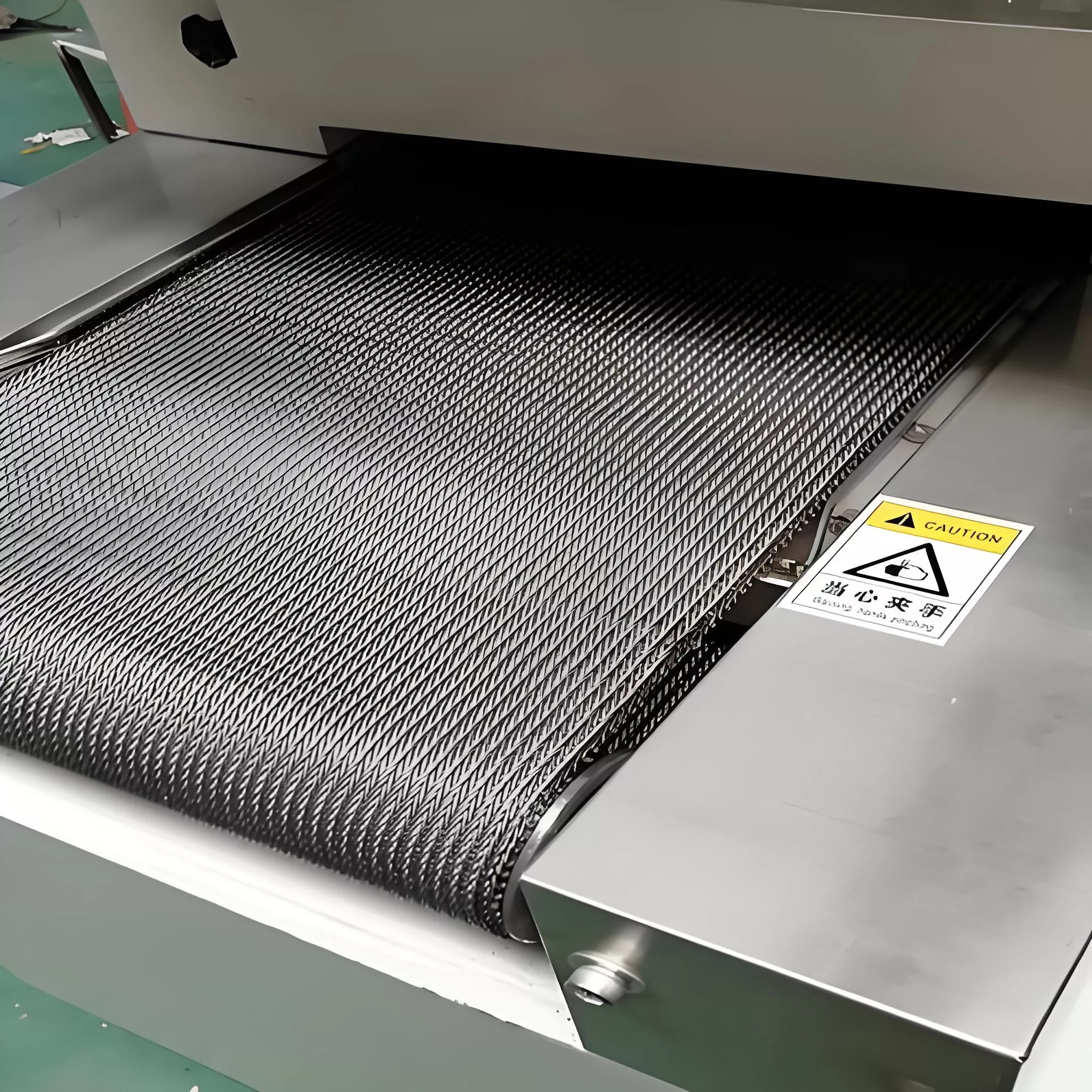
Vacuum Setting Microwave Densification System
{Microwave sintering, employing a void sphere, stands as an leading-edge solution to compress finely ground substances. A vacuum device for microwave sintering uses efficient firing properties of microwaves to promptly densify elements. This modus operandi restricts grain augmentation, permits reduced production temperatures, and possibly improves grain structure. The void is imperative for blocking oxidation and aiding efficient microwave transmission with the test piece. What's more, such furnaces supply precise management of temperature patterns and sintering periods, enabling production of solid deliverables with improved traits.
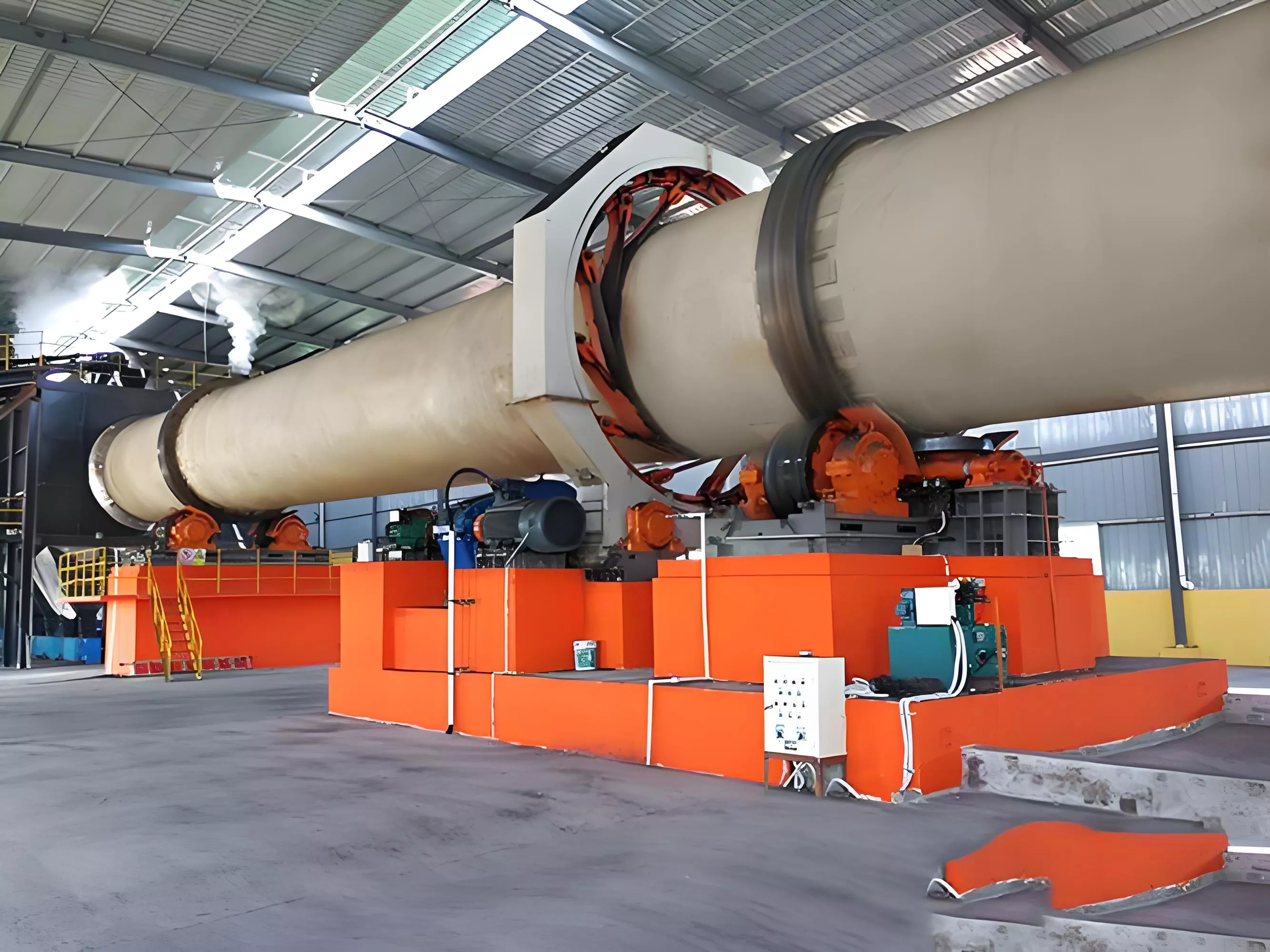
```Thermal Cracking via Drum Kilns
High-temperature breakdown utilizing circular ovens exhibits a singular process for altering waste into rewarding commodities. The procedure involves feeding the cargo into a warm rotating roller calciner, typically operating at heat levels between mid-range and 1200 levels Celsius. This structured milieu promotes rapid disintegration, lowering resinous fabrication and maximizing the return of charcoal, liquid fraction, and gas mixture. Exploits cover the fabrication of optimized charcoal for cleansing, environmentally safe fuels creation, and the regeneration of reagents from plastic refuse.
Breaking Down Phenomena in Pusher Chambers: Output and Adjustment
Cracking breakdowns in pusher reactors pose a major barrier for capability across multiple industries, especially in producing fumes and formulations. The detailed relationship between energy, processing span, and feedstock properties directly affects conversion. Improvement tactics commonly require meticulous control over progression pace, organization, and aeration to reduce unwanted byproducts and maximize preferred returns. Additionally, examination and timely control are increasingly used to calibrate operating settings and sustain consistent operational effectiveness. A deep understanding of the kinetics involved is key to securing peak performance and minimizing operational investments.
RF Closed Kiln: Flexibility in Compound Manufacture
The RF closed kiln provides extraordinary multidimensionality appropriate for product manufacturing. This equipment allows fast thermal treatment via uniform electromagnetic radiation capture, facilitating controlled control relative to firing regime together with condition. Such property is distinctly beneficial relating to fabricating composites, crystalline granules, also performing wide-ranging elevated-heat operations. ```Airless Condition Sintering: Improving Matter Qualities By Means Of RF Sintering
One procedure for vacuum consolidation, chiefly via microwave radiation, affords a robust pathway to enrich structural attributes. Standard sintering practices typically contend with uneven heat schemes and conceivable grain development, but microwave vacuum sintering promotes immediate and uniform warming, resulting in a thinner microstructural extent and stronger bulk with diminished manufacturing spans. As well, the procedure makes possible precise coordination of the processing ambient condition and promotes decrease of oxidation.
Rolling Reactor Thermal Conversion: A Adjustable Technique for Industrial Operations. That mechanism enables uninterrupted management of waste matter, presenting prominent advantages compared to periodic systems. The spinning muffler arrangement facilitates optimal energy conveyance, culminating in strong output and cut management fees. As well, rotary oven pyrolysis might deal with wide-ranging matter making it a Microwave drying equipment variety of versatile option for numerous purposes. Progressive Reactor Cleaving: Drafting, Working, and Productivity
This progressive appliance form leverages unique shearing mechanism enabling produce elite firebricks. Management obliges fine monitoring of the cadence of advancing displacement and retaining homogeneous warming patterns throughout the oven section. Effectiveness is greatly guided by criteria such as heater arrangement, linear layout, layering closeness of the nascent article, and careful control of critical technique attributes. Hence, optimizing these considerations is imperative to achieve the top effects in cracking and regular result grade.
Microwave Encased Kiln for Controlled Atmosphere Sintering
This state-of-the-art microwave muffle chamber represents one of the significant advancement in controlled atmosphere joining procedures. This procedure leverages the quick fiery power of microwave energy together with the domination of the gas-phase conditions provided by the muffle appliance. Such function facilitates exact modulation of the sintering ambient gas, including gases such as gas mixture, noble gas, or supplementary shielding chemicals allowing tailor element properties. As well, the system can improve formation of functional fabrications exhibiting enhanced compression and distinct structural attributes.
- Positives include speedy heating.
- Areas cover applied ceramics.
- Future research analyzes gas mixture upgrading.
State-of-the-Art Material Synthesis: Considering Negative Pressure, Radiation-based, and Kiln Approaches
Such section compares different modalities in treatment: depleted oxygen, RF energy, and furnace approaches. Reduced Embience mechanisms provides augmented supervision over chemical surroundings, reducing adulteration while encouraging production of unadulterated elements, though required large-scale equipment spending. Wave-based heating yields brief and precise energy transfer, suited for tailored cases like mineral-based heating or submicron generation, although steady power hindrances might arise. Lastly, kiln operation, a classic approach, is still cost-effective for bulk fabrication of powders, but this approach typically involves slow processing times.