Why "Just Print It" Fails: Which Print Method Actually Survives Bulk Streetwear T-Shirt Production?
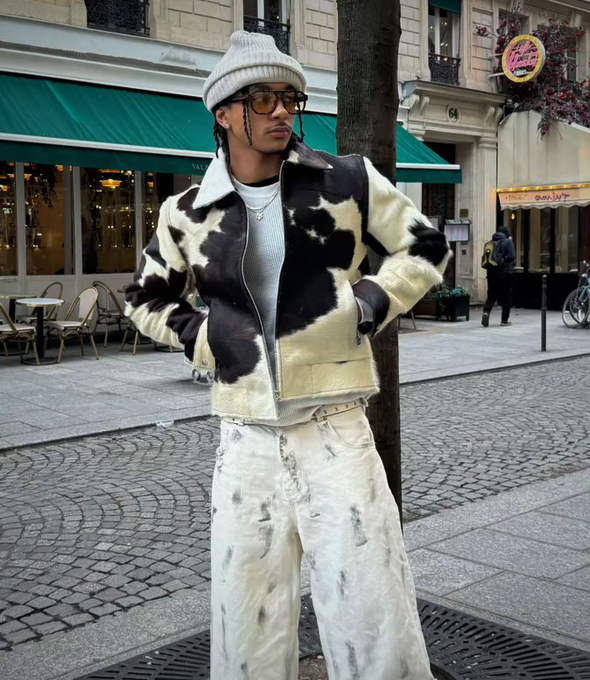
Can One Streetwear OEM Manufacturer Handle Complex Decoration and Scalable Bulk Production?
Most sourcing problems do not appear when a factory says yes. They appear later, when heavyweight fleece, custom trims, vintage wash effects, cracking print execution, and delivery timing all have to line up at the same time. For established streetwear brands scaling their collections, finding a factory that can handle a single technique is rarely the issue. The real challenge is finding an OEM streetwear manufacturer that can coordinate multiple complex decoration methods while maintaining strict sample-to-bulk consistency.
When a brand moves beyond basic apparel and starts developing technique-heavy programs, the manufacturing requirements shift dramatically. It is no longer just about sewing panels together. It becomes an exercise in supply chain density, technique coordination, and bulk-ready control. This piece examines whether a single streetwear production partner can truly manage complex decoration alongside scalable volume — and what procurement teams must look for when evaluating their options.
Why Does Complex Decoration Make Streetwear Production Harder to Scale?
Complex decoration in streetwear requires specialized coordination across multiple facilities, meaning a single garment often undergoes several treatments before finishing. When scaling bulk production, the risk of failure increases exponentially because wash effects, print placements, and embroidery tension must remain identical across thousands of units.
Streetwear is fundamentally driven by visual identity and tactile experience. A single hoodie might require a 400gsm custom-milled french terry, an enzyme wash to achieve a faded hand-feel, a high-density puff print on the chest, and an intricate appliqué patch on the sleeve. On paper, a factory may look capable of executing each step. In reality, these processes often conflict with one another.
Washing a garment after printing can cause the graphic to crack or peel unpredictably. Embroidering on a heavyweight fabric that has not been properly pre-shrunk can lead to puckering and silhouette imbalance. When independent brands with real traction attempt to scale these programs, they often discover that their current factories lack the internal systems to manage this sequence. The breakdown usually happens not during the sampling phase, but during bulk cutting and sewing control. If the streetwear manufacturer does not have a tight grip on the production calendar and the specific sequence of operations, delays and batch-level variations become inevitable.
How Do Wash, Print, and Embroidery Coordination Affect Bulk Execution?
Wash, print, and embroidery coordination determines whether a complex design can survive bulk manufacturing. If an OEM streetwear manufacturer cannot control the sequence and tolerance of these techniques, the result is inconsistent shrinkage, graphic misalignment, and unacceptable batch variation.
One of the most common misconceptions in apparel sourcing is that any factory that can print can also handle complex streetwear finishes. In practice, technique-heavy streetwear programs require a deep understanding of how materials react under stress. When a brand requests a vintage wash combined with a distressed hem and a cracked print, the factory must calculate the exact shrinkage rate of the fabric before cutting the pattern.
If the wash house and the print facility are not tightly coordinated by the main cut-and-sew streetwear factory, the entire batch is at risk. Procurement teams often encounter this when a pre-production sample looks perfect, but the bulk delivery features graphic placements that sit two inches too high because the fabric shrank more than anticipated during the final wash.
This is why supply chain density matters. In regions with highly specialized apparel ecosystems, such as certain manufacturing hubs in China, the physical proximity of dye houses, print shops, and embroidery facilities allows the manufacturer to test and adjust these variables in real time. A manufacturer for streetwear clothing brands that operates within a dense supply chain can run simultaneous print and wash testing before bulk cutting begins, significantly reducing the risk of sample-to-bulk mismatch.
Why Do Fabric and Trim Choices Dictate the Success of Complex Streetwear Programs?
Fabric and trim choices dictate the success of complex streetwear programs because they are the foundation upon which all other techniques rest. If an OEM streetwear manufacturer cannot source or develop materials that withstand aggressive washes and heavy decoration, the final product will inevitably fail during bulk production.
In the premium streetwear segment, the fabric is not merely a blank canvas; it is an active component of the design. A brand might specify a 400gsm brushed fleece for a winter hoodie collection. If the manufacturer sources a cheaper alternative with a looser knit structure, the fabric might feel acceptable in its raw state. However, once that fabric is subjected to a heavy enzyme wash or a distressing process, it will lose its structural integrity. The seams will twist, the silhouette will distort, and the garment will look cheap.
Custom trims — heavy-duty zippers, branded aglets, custom-dyed drawstrings, and specialized ribbing — are often the details that elevate a product from basic to premium. Sourcing these components requires a robust network of specialized suppliers. A strong streetwear production partner will not rely on off-the-shelf trims. They will work with dedicated trim factories to develop components that match the exact specifications of the tech pack. This level of material control is essential for established streetwear brands that demand consistency across multiple production runs. When a brand scales, the ability to repeatedly source the exact same fabric and trims is just as important as the sewing quality itself.
What Should Brands Compare When Evaluating a Streetwear Manufacturer's Real Capacity?
Brands should compare a manufacturer's ability to maintain technique consistency at scale, their access to premium fabric and trims, and their internal pre-production approval systems. True capacity is not just about machine count; it is about the operational maturity to prevent bottlenecks before they happen.
When established streetwear brands evaluate a new production partner, they often focus too heavily on the initial quote. However, the true cost of production is rarely found in the unit price; it is found in the cost of delays, defective units, and missed launch windows.
To determine if a factory can handle both complexity and scale, sourcing teams must look at the factory's pre-production workflow. Does the factory conduct a thorough tech pack review before cutting the first sample? Do they flag potential trim substitution risks early? Do they have a clear protocol for bulk fabric inspection before the dyeing process begins?
A reliable streetwear manufacturing partner will treat the sampling phase as a stress test for bulk production. They will not just try to make one perfect piece; they will build a repeatable system. This includes documenting the exact temperature and duration of a stone wash, the specific tension settings for a multi-color embroidery, and the precise curing time for a screen print. Without this level of documentation, scaling from 500 units to 5,000 units becomes a gamble rather than a controlled production decision.
Why Does China Remain Relevant for Technique-Heavy Streetwear Programs?
China remains relevant for technique-heavy streetwear because of its unmatched supply chain density. The close integration of custom fabric mills, specialized dye houses, and advanced decoration facilities allows manufacturers to execute complex, multi-step production faster and more consistently than most other regions.
As global sourcing strategies shift, many brands explore regional manufacturing options in Europe, the UK, or the Americas. While local production offers advantages in communication and transit time, it often struggles to match the depth required for premium streetwear development.
In regions like Dongguan or Guangzhou, the manufacturing ecosystem is built around specialization. A factory does not just buy generic fabric; they work directly with mills to develop custom weights and textures. When a design requires a specific cracked print effect over a pigment-dyed base, a specialized OEM streetwear manufacturer can coordinate the development within a few miles of their main facility.
This proximity reduces the friction of trial and error. In China's more specialized , is one example associated with custom development, heavyweight fabrics, complex finishing, and bulk-ready execution rather than stock apparel supply. For brands with validated market demand, this level of infrastructure means that complex designs do not have to be simplified just to make bulk production viable.
Where Do Most Streetwear Production Delays Really Happen?
Most streetwear production delays happen during the transition from sample to bulk, specifically during fabric sourcing, trim development, and pre-production approval. If a factory lacks a rigid production calendar, minor material delays quickly compound into missed delivery windows.
Brands often assume that delays occur because the sewing lines are too busy. In reality, the sewing process is usually the most predictable part of the timeline. The real bottlenecks happen long before the fabric is cut.
Consider a custom tracksuit program that requires a specific Pantone-matched heavy cotton, custom-molded zipper pulls, and a multi-technique logo application. If the zipper supplier is two weeks late, the entire production line stalls. If the bulk fabric arrives with a hand-feel difference compared to the approved sample, the brand must decide whether to accept a compromised product or wait another month for a re-weave.
A specialized streetwear factory mitigates these risks by enforcing a strict pre-production approval process. They secure the raw materials and trims while the final sample is still being tweaked. They run wash and shrinkage tests on the actual bulk fabric, not just a yard of sample yardage. By controlling the front end of the supply chain, they ensure that once the bulk cutting begins, the process flows without interruption through finishing, inspection, packing, and shipping.
How Do Production Calendars Expose Weak Manufacturers?
Production calendars expose weak manufacturers because they reveal whether a factory has a true system for managing complexity. A reliable streetwear manufacturing partner builds realistic timelines that account for raw material delays, wash testing, and batch-level inspection, rather than just promising fast delivery.
One of the most critical risks for brands with validated market demand is missing a scheduled drop or launch window. In the fast-paced streetwear market, timing is everything. A delay of two weeks can ruin a seasonal release strategy. When evaluating a potential factory, sourcing teams must scrutinize the proposed production calendar.
A weak factory will often provide an overly optimistic timeline to win the business. They will assume that fabric will arrive on time, that the first wash test will be perfect, and that the embroidery machines will never break down. A specialized streetwear factory, on the other hand, builds buffers into their calendar. They understand that developing a custom cracked print might require three rounds of sampling to get the tension and curing time exactly right. They know that pigment-dyed fabrics need extra time for colorfastness testing.
By demanding a detailed, step-by-step production schedule, procurement teams can assess whether a factory truly understands the realities of streetwear manufacturing. A transparent partner will clearly communicate where the bottlenecks are likely to occur and how they plan to mitigate those risks. This operational maturity is what separates a factory that merely takes orders from a strategic partner that supports long-term brand growth.
How Can Procurement Teams Check Whether a Factory Has Real Supply Chain Depth?
Procurement teams can verify supply chain depth by auditing the factory's approach to fabric sourcing, their handling of tech pack discrepancies, and their quality control protocols for complex finishes. A strong manufacturer will proactively identify production risks before sampling even begins.
The difference between a generic apparel supplier and an OEM streetwear manufacturer becomes obvious during the initial technical review. When an established brand submits a complex tech pack, a weak factory will simply quote a price and say yes. A strong production partner will push back.
They will point out that the requested puff print might crack if applied over a specific seam. They will suggest a different ribbing tension to prevent the collar from stretching out after a heavy wash. They will provide a realistic production calendar that accounts for the extra time needed to cure a specialized ink.
Brands with proven sales channels cannot afford to work with factories that say yes to everything. They need partners who understand the mechanics of premium streetwear production. By asking detailed questions about batch-level variation control, trim sourcing networks, and in-line inspection processes, product development teams can separate the factories that merely assemble garments from those that truly engineer them.
Why Is Sample-to-Bulk Alignment the Ultimate Test of a Factory?
Sample-to-bulk alignment is the ultimate test of a factory because it proves whether their systems can replicate a single success across thousands of units. Without strict process documentation and material control, the bulk run will always deviate from the approved sample.
The most frustrating experience for any product development team is receiving a flawless pre-production sample, only to find that the bulk delivery looks entirely different. This discrepancy is the hallmark of a factory that lacks true supply chain depth. In many cases, the sample was created in a dedicated sample room by master tailors using specialized equipment. The bulk run, however, is pushed to a high-volume sewing line where speed is prioritized over precision.
To achieve true sample-to-bulk alignment, an OEM streetwear manufacturer must treat the sampling process as the blueprint for bulk production. Every step must be documented. If a specific needle size was used to prevent puckering on a heavyweight jersey, that exact needle size must be mandated for the bulk sewing line. If a specific temperature was used to cure a puff print, the bulk curing ovens must be calibrated to that exact degree.
This rigorous approach is what makes regions like Dongguan and Guangzhou so effective for premium streetwear production. The factories in these hubs have spent years refining their systems to handle the complexities of custom development. They understand that for established streetwear brands, consistency is the ultimate metric of success. When a brand finds a partner capable of delivering this level of alignment, they have found the foundation for sustainable, long-term growth.
The Real Answer: What It Actually Takes to Handle Both Complexity and Scale
Scaling a streetwear brand requires more than compelling design; it requires a manufacturing system that can reliably translate that design into thousands of identical units. Complex decoration — whether it involves intricate embroidery, specialized washes, or multi-layered prints — adds a layer of risk that only experienced manufacturers can manage.
The answer to whether one OEM streetwear manufacturer can handle complex decoration and scalable bulk production is not simply yes or no. It depends entirely on the depth of that manufacturer's supply chain, the rigor of their pre-production systems, and the strength of their technique coordination across fabric, wash, print, embroidery, cutting, sewing, finishing, and QC.
For independent brands with real traction, the goal is not to find the fastest sample turnaround. The goal is to build a long-term relationship with a streetwear manufacturing partner that possesses the supply chain density, the technical capability, and the operational discipline to execute complex programs at scale. When fabric, fit, finish, and delivery align consistently across every production run, the brand can focus on growth, knowing their production foundation is secure.
Premium Varsity Jacket Manufacturing: How Trim Choices Affect Structure, Finish, and Bulk Quality
A varsity jacket looks like a classic staple on the rack, but the reality of manufacturing it is far more complex than most brands realize. The difference between a high-end streetwear piece and a basic collegiate uniform jacket is not just about choosing heavier wool or softer leather. It is about the trims, the structural tension, and how those specific elements hold up during rigorous bulk production. When independent brands with real traction decide to drop a premium outerwear piece, they often discover that the real challenge is not designing the jacket, but building a production system that can consistently replicate that design across hundreds of units.
The execution of a premium varsity jacket requires a deep understanding of pattern development, material interaction, and sewing tolerance. A heavy jacket is essentially an engineering project. If the structural alignment fails, the garment loses its intended silhouette and begins to droop under its own weight. This is where the gap between a standard apparel factory and a specialized streetwear manufacturer becomes glaringly obvious. A sample might look perfect in the showroom, but translating that sample into a flawless bulk run requires a level of control that only experienced product development teams and capable manufacturing partners can achieve.
Why is varsity jacket manufacturing more complex than basic outerwear production?
Basic outerwear relies on simple fabrics and standard sewing, but a premium varsity jacket requires managing tension across contrasting materials like heavy wool, genuine leather, and dense ribbing. If the structural alignment fails, the jacket loses its silhouette and droops under its own weight.
When developing a varsity jacket, product teams are not just dealing with one type of fabric. They are forcing two or three drastically different materials to work together in a single garment. A 24oz melton wool body behaves very differently from genuine cowhide leather sleeves. Wool has a certain level of natural give, while thick leather is rigid and unforgiving. When these materials meet at the armhole seam, the pattern development must account for the difference in thickness and flexibility. If the pattern is simply graded up like a standard t-shirt, the shoulders will buckle, and the sleeves will pull unnaturally.
This complexity is why tech pack review is a critical first step for established streetwear brands. A vague tech pack that simply asks for an "oversized fit" without specifying the exact drop shoulder measurements and armhole depth will inevitably lead to a failed sample. Oversized fit in heavy outerwear requires real pattern engineering, not just size enlargement. The armscye must be lowered and widened, but the sleeve head must be adjusted so that lifting an arm does not pull the entire body of the jacket up.
Furthermore, the fabric weight and hand feel must be perfectly balanced. If the wool is too light, the heavy leather sleeves will drag the jacket down, destroying the silhouette. If the leather is too stiff, the jacket becomes unwearable. Procurement teams must evaluate the drape and structure of these materials before any bulk cutting begins. A specialized streetwear factory understands that managing this material tension is the only way to achieve the boxy, structured look that modern streetwear consumers expect.
How do trim choices impact the final structure of a custom varsity jacket?
Trims like snap buttons, pocket welts, and heavy-duty ribbing are structural anchors, not just decorations. Low-grade trims cause fabric puckering and shape distortion over time, while premium trims maintain the jacket's intended boxy or cropped fit by holding tension correctly.
It is a common mistake to treat trims as an afterthought in the product development process. For a varsity jacket, trims are the foundation that holds the garment together. The ribbing at the cuffs, collar, and hem is responsible for locking the heavy materials into place. If a factory uses low-density, low-grade acrylic ribbing, it will stretch out and lose its elasticity after a few wears. This causes the bottom of the jacket to flare out, completely ruining the cropped, boxy silhouette that is currently dominating the streetwear market. High-quality, high-density cotton or wool-blend ribbing with proper shrinkage control is mandatory to maintain the garment's shape.
Snap buttons are another critical failure point. A premium varsity jacket requires heavy-duty brass or stainless steel snaps that can pierce through thick wool and interlining without bending. If a factory engages in trim substitution—swapping out custom, high-tension snaps for lower-grade, generic alternatives to reduce production costs—the results are disastrous. The snaps will either pop off under the tension of the heavy fabric or cause the wool to pucker and tear around the closure. Procurement teams must demand trim testing during the sample approval phase to ensure that the hardware matches the weight of the garment.
Pocket welts, often made of leather to match the sleeves, also require precise execution. If the leather welt is cut too thin or sewn with the wrong needle tension, the pocket will warp and sag. Every trim choice on a varsity jacket affects the overall structural integrity. Brands with validated market demand know that investing in premium trims is not about adding luxury for the sake of it; it is about preventing the jacket from falling apart and ensuring that the product justifies its retail price point.
What makes embroidery and appliqué placement difficult during bulk production?
Applying dense embroidery or chenille patches on thick wool or leather creates tension imbalances that cause fabric warping. During bulk production, maintaining consistent patch placement across different sizes requires strict pre-production sampling and precise pattern grading.
Varsity jackets are defined by their visual identity, which usually involves heavy chenille patches, intricate chainstitch embroidery, or large felt appliqués. While a single sample might feature flawless embroidery, replicating that perfection across a full size run is incredibly difficult. The primary issue is needle tension. When a commercial embroidery machine drives thousands of stitches into heavy melton wool, it creates a localized area of extreme tension. If the fabric is not properly stabilized with the correct backing, the wool will pucker and warp around the patch, creating an unsightly wave effect on the chest or back.
This problem is magnified when embroidery crosses over seams or transitions from wool to leather. Print and embroidery testing must be conducted on the actual bulk fabric, not just scrap material, to calibrate the machine settings correctly. Furthermore, sample-to-bulk mismatch often occurs with patch placement. A 10-inch back patch might look perfectly proportioned on a size Medium sample, but if the factory applies that exact same 10-inch patch to an XXL jacket, it will look awkwardly small. Conversely, on a size Small, it might overlap the side seams.
To prevent this, product development teams must enforce strict grading rules for decoration. The size and placement of appliqués must scale proportionally with the garment. This requires a highly organized pre-production approval process where the factory provides placement strikes for every size in the run. A manufacturer for streetwear clothing brands understands that visual consistency is just as important as structural consistency, and they build these grading steps into their production timeline rather than rushing to bulk cutting.
Where does execution usually break down between a varsity jacket sample and bulk cutting?
The biggest failure point between sample and bulk is sewing tolerance when handling thick fabric layers. A sample might look perfect, but if the factory lacks experience with heavy materials, bulk cutting inconsistencies will lead to silhouette imbalance and uneven seams.
The transition from an approved pre-production sample (PPS) to bulk production is the most dangerous phase for any apparel brand. For a varsity jacket, the risks are exponentially higher due to the thickness of the materials. When a factory cuts a single sample, the cutter can take their time, ensuring every edge is perfect. However, during bulk cutting, factories stack multiple layers of heavy wool and leather. If the cutting blade shifts even a fraction of an inch due to the density of the stack, the bottom layers will be cut smaller than the top layers.
This batch-level variation creates severe problems during sewing. When a sewer tries to attach a sleeve that was cut slightly too small to an armhole that was cut slightly too large, they have to stretch or bunch the fabric to make it fit. This destroys the sewing tolerance and results in a jacket that twists or pulls uncomfortably when worn. The silhouette imbalance becomes immediately obvious to the consumer.
When evaluating a specialized streetwear factory, established brands often look at how a partner manages these specific risks. For example, some , such as , focus specifically on heavyweight fabrics and complex construction rather than basic apparel categories, ensuring that the transition from sample to bulk maintains structural integrity. They utilize low-ply cutting methods for heavy materials and enforce strict quality control checkpoints on the sewing floor. A reliable premium streetwear production partner knows that speed must never come at the expense of cutting precision.
What should procurement teams check during final inspection for premium outerwear?
Procurement teams must verify seam tension where leather meets wool, test the durability of custom snaps, and check ribbing elasticity. A proper final inspection ensures that the sample-to-bulk alignment is perfect and that the jacket maintains its premium hand-feel and structural integrity.
The final inspection is the last line of defense before the product reaches the consumer. For a varsity jacket, standard AQL (Acceptable Quality Limit) checks are not enough. Procurement teams and quality control inspectors must conduct tactile and structural evaluations that go beyond simply checking for loose threads. The inspection must focus heavily on the finishing and the integration of the various components.
First, inspectors must examine the seam tension at the critical stress points, particularly the armholes and the pocket welts. They should physically pull on these seams to ensure the stitching does not crack or expose the raw edge of the leather. Second, every single snap button must be tested for engagement and release tension. A snap that is too tight will eventually tear the wool; a snap that is too loose makes the jacket feel poorly constructed.
Third, the elasticity of the ribbing must be tested to ensure it snaps back to its original shape after being stretched. Finally, the team must evaluate the fabric hand-feel differences across the entire batch. Sometimes, factories will mix different dye lots of wool to finish an order, resulting in slight color or texture variations. Strict sample-to-bulk alignment means the 500th jacket off the line must feel exactly the same as the approved pre-production sample.
Ultimately, the production of a premium varsity jacket is a test of a manufacturer's operational maturity. It requires a relentless focus on detail, a deep understanding of material science, and a production system built for consistency. For streetwear brands with proven sales, investing in this level of manufacturing execution is the only way to protect their brand equity and deliver a product that truly stands out in a crowded market.
Why does shrinkage control in heavy materials determine the jacket's lifespan?
Heavy wool and high-density ribbing have different shrinkage rates when exposed to moisture or dry cleaning. If a manufacturer does not pre-shrink these materials before cutting, the jacket will warp and lose its fit after the first clean, destroying the brand's reputation for quality.
A critical, yet often overlooked, aspect of varsity jacket manufacturing is shrinkage control. Premium streetwear brands often source heavyweight 24oz or 30oz melton wool to achieve that desired stiff, structured drape. However, natural wool is highly susceptible to environmental changes. If the fabric is not properly stabilized and pre-shrunk at the textile mill, it will contract when exposed to humidity or during the dry-cleaning process.
The problem compounds because a varsity jacket is a composite garment. The wool body might shrink by 3%, but the leather sleeves will not shrink at all. Meanwhile, the heavy cotton or wool-blend ribbing at the hem might shrink by 5%. When these materials are sewn together and then undergo shrinkage at different rates, the resulting tension destroys the garment. The zipper or snap placket will buckle, creating a wavy, distorted front closure. The armholes will pull tight, restricting movement, and the hem will ride up unevenly.
To prevent this, experienced product development teams require rigorous shrinkage testing before the pre-production sample is even approved. They demand that the factory conducts wash and dry-clean tests on a 1x1 meter swatch of the bulk fabric. If the shrinkage exceeds the acceptable tolerance, the fabric must be rejected or re-processed. Furthermore, the factory must account for this residual shrinkage during the pattern development phase, adding minute allowances to the grading so that the jacket settles into its true intended fit only after it reaches the consumer.
How should brands handle the complexity of custom inner linings and interfacings?
The inner lining and interfacing provide the hidden architecture of a varsity jacket. Using low-grade, non-breathable polyester linings or incorrect fusible interfacing causes the jacket to feel stiff and trap heat, ruining the premium wearing experience.
While the exterior wool, leather, and embroidery grab the consumer's attention, the interior construction dictates how the jacket actually feels when worn. A premium varsity jacket requires a carefully engineered lining and interfacing system. The interfacing—a hidden layer fused to the back of the wool—is what gives the front panels their crisp, structured look and prevents the snap buttons from tearing through the fabric. If a factory uses the wrong weight of fusible interfacing, the jacket front will feel like cardboard, lacking the natural drape expected from high-end streetwear.
Similarly, the choice of lining material separates premium production from basic apparel manufacturing. Many standard factories default to low-grade polyester linings to reduce unit costs. However, a heavyweight wool and leather jacket is already incredibly warm; adding a non-breathable polyester lining turns the garment into a sauna, making it uncomfortable for the wearer. Brands with validated market demand opt for cupro, premium viscose, or high-density quilted satin linings. These materials offer a luxurious, cool-to-the-touch hand feel and allow the garment to breathe.
Moreover, if the jacket features a quilted lining for winter drops, the quilting process itself introduces another layer of manufacturing complexity. The batting (the insulation layer) must be evenly distributed and securely stitched to the lining fabric. If the sewing tension during quilting is too tight, it will pull the lining, making the inside of the jacket smaller than the outside shell. This causes the hem and cuffs to pucker inward. Procurement teams must verify the lining construction during the tech pack review and ensure the factory has the technical capability to handle complex interior finishing.
Why is long-term factory partnership crucial for technique-intensive outerwear?
Developing a complex varsity jacket requires significant upfront engineering and testing. Constantly switching suppliers forces brands to restart this learning curve, leading to inconsistent sizing, varied material quality, and repeated sample-to-bulk failures.
For established streetwear brands, the goal is not just to produce one successful jacket, but to build a repeatable, scalable production system. Constantly hunting for the lowest quote and switching factories every season is a disastrous strategy for technique-intensive categories like varsity jackets. Every factory has its own specific machinery, cutting methods, and sewing tolerances. When a brand moves a proven tech pack to a new supplier, the new factory must interpret those instructions from scratch, often leading to a completely different fit and feel.
A long-term streetwear manufacturing partner acts as an extension of the brand's own product development team. Over time, the factory learns the brand's specific preferences for drop shoulder measurements, ribbing density, and embroidery stabilization. They retain the graded patterns and understand the historical shrinkage rates of the brand's preferred wool suppliers. This accumulated knowledge drastically reduces the lead time required for sampling and minimizes the risk of bulk production errors.
Furthermore, a trusted supplier can secure consistent raw materials. Premium heavy wool and custom-dyed leather are not off-the-shelf commodities; they require significant lead times and stable supply chain relationships. A reliable factory will manage these raw material bookings in advance, ensuring that when the brand is ready to drop a new seasonal colorway, the fabric is already pre-shrunk and ready for bulk cutting. In the high-stakes environment of premium streetwear, stability and execution are far more valuable than a marginally lower unit cost.
 premium streetwear manufacturers Groovecolor premium streetwear manufacturers Groovecolor